


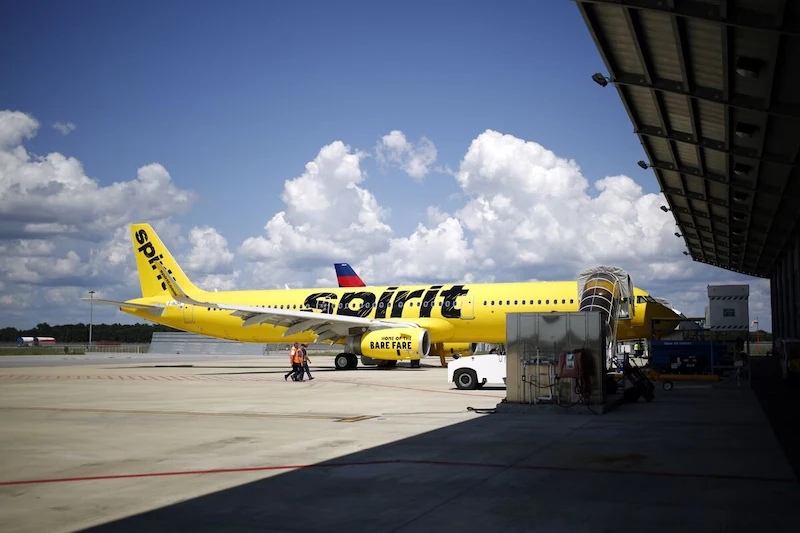


In a strategic move to bolster its financial position, Spirit Airlines Inc. has unveiled an extensive cost-cutting initiative that includes deferring the delivery of new aircraft and implementing pilot furloughs. This announcement comes on the heels of the recent setback faced by the airline, as its proposed merger with JetBlue Airways Corp. was blocked due to antitrust concerns.
The airline's decision to defer all Airbus SE aircraft deliveries originally scheduled for 2025 and 2026 until 2030 and 2031 is expected to boost Spirit's liquidity by approximately $340 million over the next two years. Furthermore, the airline plans to furlough 260 pilots effective from September 1st, in a bid to streamline operational costs during these challenging times.
After the deal with JetBlue Airways Corp. fell through, Spirit Airlines Inc. has been working tirelessly to stabilize its financial standing amidst a turbulent market. With factors like fluctuating demand, engine issues, and escalating costs affecting the domestic aviation sector, Spirit has been under pressure to reassess its business strategy.
While the deferral of aircraft deliveries and pilot furloughs may help in reducing costs for the airline, industry analysts point out that these measures could potentially impact Spirit's revenue-generating capabilities. It is essential for the carrier to strike a delicate balance between cost-saving measures and maintaining operational efficiency to navigate through the current economic landscape successfully.
The decision to defer aircraft deliveries will result in a reduction of available seats by 7% by the end of 2025 and 16% by the end of 2026, according to analysts. Despite these challenges, Spirit's Chief Executive Officer, Ted Christie, remains optimistic about the long-term prospects of the airline, stating that deferring the aircraft deliveries provides an opportunity to realign the business and adapt to the evolving competitive environment.
In addition to the aircraft delivery deferrals and pilot furloughs, Spirit Airlines Inc. is reportedly exploring various options to address its debt obligations due in the coming years. With cash-burn rates and liquidity concerns in focus, the airline is actively considering refinancing strategies and potential debt restructuring to navigate through current financial challenges.
As Spirit Airlines Inc. charts its course forward post-merger setback, the aviation industry will closely monitor the airline's financial maneuvers and operational decisions to gauge its resilience and adaptability in a rapidly evolving market environment.