


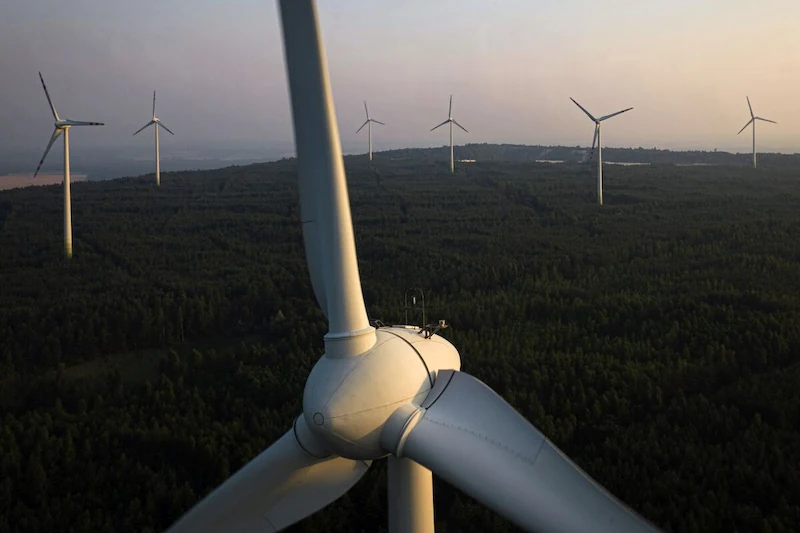


Poland encountered a significant problem with its electricity grid over the weekend as a surge in renewable energy production resulted in a surplus of power. The state grid operator, Polskie Sieci Elektroenergetyczne SA, implemented unprecedented cuts to the generation of renewable energy in order to maintain balance in the system. This situation highlighted the growing challenges that the nation's grid is facing as more green energy sources are being utilized.
The boost in solar and wind power generation, fueled by sunny and windy weather conditions, coincided with a decrease in weekend electricity demand. As a result, the grid operator was forced to take action to stabilize the power system and prevent potential disruptions. This led to the shutdown of solar panels and wind turbines with a combined capacity of 4.5 gigawatts, marking a new high in production curtailment.
Poland, traditionally reliant on coal-fired power, is grappling with the transition to intermittent renewable energy sources. The grid's limited capacity for new projects has hindered the expansion of green energy installations, despite the country's growing solar and wind power capacities. The rapid proliferation of household and commercial solar panels has significantly increased the total capacity of photovoltaic installations to nearly 18 gigawatts, while wind farms contribute an additional 10.1 gigawatts to the mix.
Renewable sources proved to be a dominant force in meeting the country's electricity demand on Sunday, accounting for over half of the 17.7 gigawatts required. The oversupply of power meant that even with the curtailment of wind and solar production, some coal plants had to remain operational to ensure adequate electricity supply, particularly during nighttime hours. Renewable energy developers impacted by the forced pause in production are entitled to compensation from the grid as a measure to mitigate their losses.
The incident serves as a stark reminder of the complexities that come with transitioning to a renewable energy-based power system. As Poland continues its shift away from coal towards greener alternatives, the need to address grid constraints and effectively manage fluctuations in renewable energy generation becomes increasingly pressing. The country's experience underscores the ongoing challenges and considerations in integrating renewable sources into the existing energy infrastructure.