


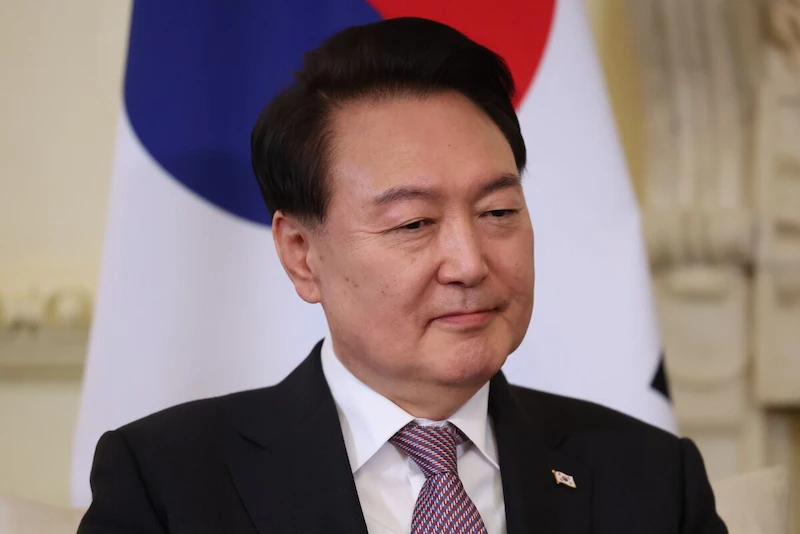


In a significant shift following his party's defeat in parliamentary elections, South Korean President Yoon Suk Yeol has expressed a commitment to better connect with the public and focus on improving the lives of those in need. The recent elections dealt a blow to Yoon's conservative People Power Party, leaving him with a diminished presence in the National Assembly. With the progressive opposition bloc gaining momentum, Yoon now faces the challenge of navigating greater opposition to his pro-business policies.
Acknowledging the message conveyed by the election results, President Yoon emphasized the importance of listening to public sentiment and engaging in more open dialogue with the people. He announced plans to adopt a more humble and flexible approach in decision-making processes. This commitment to communication and responsiveness marks a notable departure from his previous leadership style, which had been criticized for its lack of compromise on critical issues.
As part of his efforts to revamp his administration, Yoon accepted the resignations of his prime minister, chief of staff, and senior secretaries. Reports suggest that he is actively seeking new appointments to bring about necessary changes in the government's direction. Yoon's focus on structural reforms in areas such as labor, education, pension systems, and healthcare signals a willingness to collaborate more closely with the opposition-led parliament.
Amidst the domestic challenges, President Yoon also underscored the importance of maintaining security preparedness, especially in light of potential North Korean provocations amid rising tensions in the Middle East. Despite recent military activities by Kim Jong Un's regime, Yoon expressed the need for vigilance and readiness to address any security threats. However, with limited capacity to push legislation through a parliament dominated by the opposition, Yoon may encounter obstacles in implementing his agenda.
The outcome of the elections also coincided with a protracted standoff with trainee doctors protesting the government's plans to expand medical school enrollment. While polls indicate public support for increasing the number of doctors, there is growing impatience with the ongoing labor dispute. This backdrop adds complexity to Yoon's governance as he seeks to navigate through challenges and rebuild his political standing in the aftermath of the electoral setback.