




Singapore is on the cusp of a significant political shift as Lee Hsien Loong, the nation's long-standing prime minister, prepares to step down after two decades in office. This move marks the conclusion of a prolonged succession plan that has been in motion since before the onset of the Covid-19 pandemic. With Lee's departure, the curtain falls on a remarkable chapter in Singaporean history, characterized by a continuous Lee family presence at the forefront of the country's leadership.
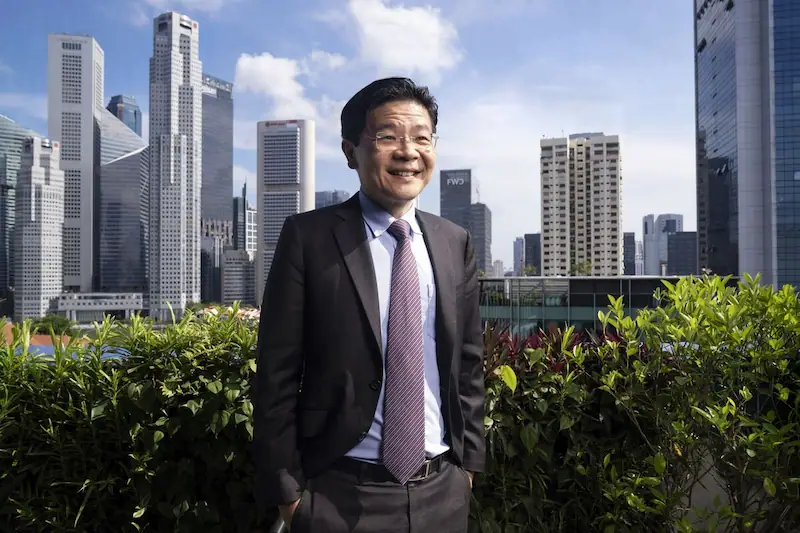
Lawrence Wong, a distinguished figure in Singaporean politics, is poised to assume the role of prime minister following Lee's exit. As a Harvard University graduate known for his adept handling of the Covid-19 crisis, Wong brings a blend of experience and innovation to the table. The transition of power to Wong signals a pivotal moment in Singapore's political landscape, symbolizing a departure from the longstanding Lee dynasty that has shaped the nation for over half a century.
The Lee family, spearheaded by Lee Kuan Yew, Singapore's founding prime minister, played a pivotal role in transforming the city-state from a colonial trading outpost into a flourishing global financial hub. Their legacy is evident in Singapore's economic prosperity and stability, but as the country faces mounting challenges such as rising living costs and geopolitical tensions, the continuity of the People's Action Party's governance comes into question.
Wong's ascent to power is expected to ensure political stability in Singapore, a nation renowned for its reliability and efficiency. However, as he takes the helm, Wong faces a pressing decision on whether to call early elections, which must be held by the end of next year. The outcome of these elections will provide a litmus test for Wong's administration, gauging public sentiment and setting the tone for his leadership tenure.
During his tenure, Lee Hsien Loong navigated Singapore through global crises like the financial meltdown and the pandemic, demonstrating resilience and strategic foresight. Despite the challenges, Singapore's economy soared under his leadership, positioning the nation as a formidable player on the global stage. However, criticisms have emerged regarding income disparities and the cost of living, signaling areas in need of attention for Wong's administration.
The transition of power from Lee to Wong comes at a critical juncture marred by recent scandals and challenges to the ruling party's governance. By ushering in a new leader ahead of elections, the People's Action Party aims to fortify its mandate and secure widespread support for Wong's leadership. With Wong at the helm, Singapore embarks on a new chapter, poised to navigate the complexities of a changing world while upholding its reputation for excellence and progress.