


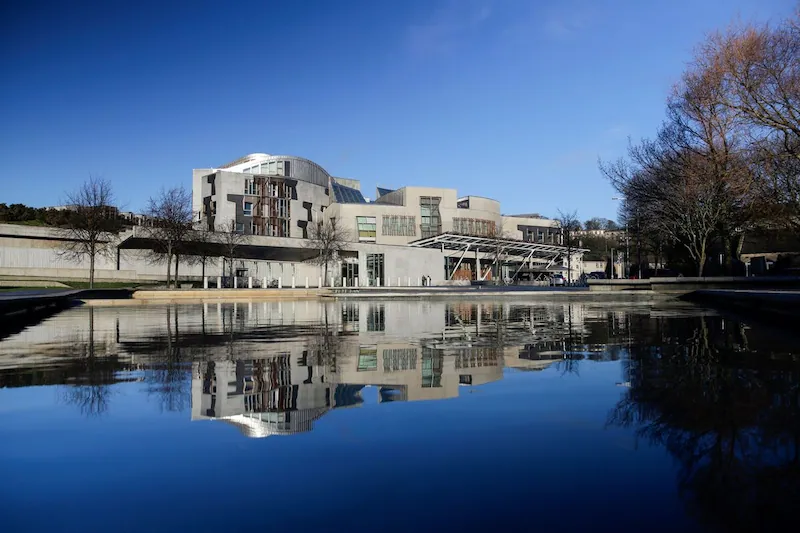


The Scottish government, led by outgoing First Minister Humza Yousaf, successfully weathered a vote of no-confidence brought by the opposition, maintaining its position in power as the Scottish National Party (SNP) continues its search for a new leader. The devolved parliament in Edinburgh, dominated by the pro-independence SNP, stood by the government and rejected the motion put forth by the Labour Party in a crucial vote on Wednesday. This outcome was largely expected, with the Scottish Greens, former allies of the SNP, aligning with the government in their decision.
The possibility of the government resigning in the event of a loss was averted as the Greens, instrumental in stripping Yousaf of his first minister duties, opted not to dismantle the administration. With the SNP facing internal challenges and policy setbacks, Labour had hoped to capitalize on these issues, particularly with an eye on rising polling numbers. Scottish Labour leader Anas Sarwar has been vocal in calling for early elections to capitalize on the momentum, with the scheduled next Holyrood election not set until 2026.
As the SNP transitions to running a minority government following the breakdown of the agreement with the Greens, the party must now focus on selecting a new leader to fill the leadership vacuum left by Yousaf's departure. Speculation surrounds potential candidates, with former SNP leader and Deputy First Minister John Swinney and ex-Finance Secretary Kate Forbes emerging as frontrunners, according to bookmakers. However, neither Swinney nor Forbes have confirmed their intentions to contest for the leadership position.
With the SNP still maintaining a significant presence in the Scottish parliament, the party's next steps will be crucial in securing the necessary support from opposition members to instate a new leader and maintain stability in government. The political landscape in Scotland remains unpredictable, with shifting alliances and leadership dynamics shaping the future trajectory of the region. As the SNP navigates these challenges, the focus is now on the leadership selection process and garnering support to ensure a smooth transition of power and governance.