


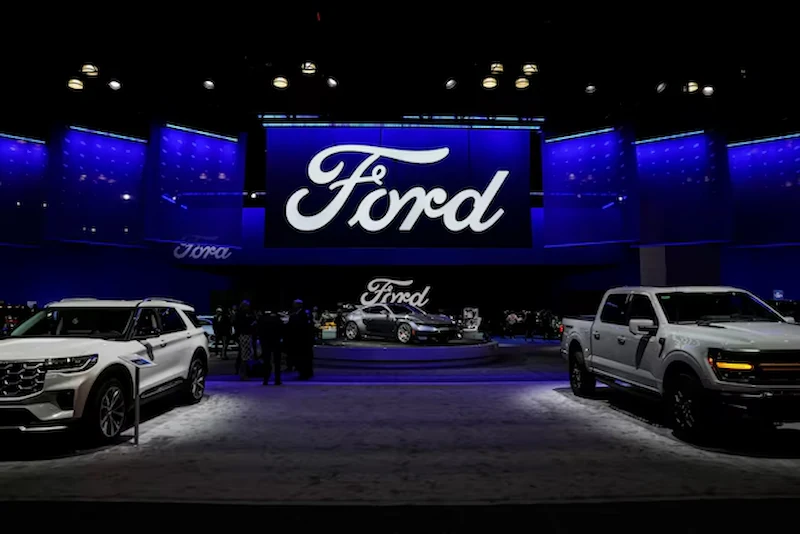


In a strategic shift from its initial plan for an all-electric lineup in Europe by the end of the decade, Ford Motor is now considering the possibility of offering gas-powered vehicles and hybrids beyond 2030 in the region. This decision comes in response to the slower-than-expected adoption of electric vehicles (EVs) in Europe, prompting the automaker to reassess its approach to meet customer demands. The company indicated that it recognizes the need to provide internal combustion engine (ICE) and hybrid options to consumers in order to adapt to the evolving market dynamics effectively.
Acknowledging the shifting landscape of EV adoption in Europe, Ford emphasized the importance of offering a range of vehicle options to cater to diverse consumer preferences. As the demand for hybrid vehicles continues to surge, bridging the gap between traditional gas-powered vehicles and EVs, Ford aims to remain responsive to changing customer needs and preferences. By closely monitoring market trends, the automaker remains committed to adjusting its product offerings as necessary to stay competitive in the evolving automotive industry landscape.
One of the key factors influencing Ford's decision to potentially extend the availability of gas-powered and hybrid vehicles in Europe post-2030 is the current state of charging infrastructure. The lack of widespread charging infrastructure across Europe has been a significant barrier to the widespread adoption of EVs, deterring some potential buyers from making the transition to electric vehicles. In light of these challenges, offering a mix of ICE, hybrid, and electric options aligns with Ford's commitment to providing customers with a variety of choices that suit their individual needs and circumstances.
While the global automotive industry continues to emphasize the transition towards electric power to reduce vehicle emissions, Ford's decision to reconsider its all-electric lineup strategy in Europe reflects a pragmatic approach to meeting consumer demand and market realities. By remaining flexible and adaptive in its product planning, Ford demonstrates a willingness to navigate the complexities of the evolving automotive landscape while balancing the need for innovation with consumer preferences. As Ford continues to explore new opportunities and evaluate market trends, the company remains dedicated to offering a comprehensive range of vehicle options that cater to a diverse array of customer preferences and requirements.