


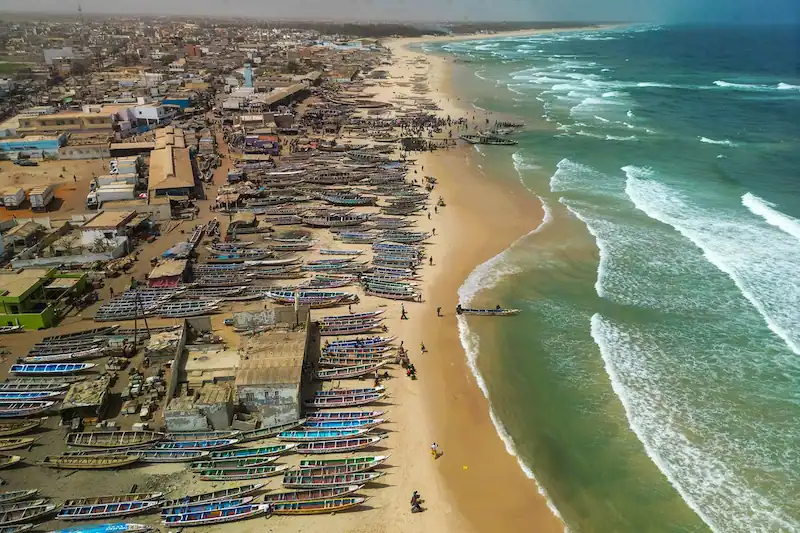


In a strategic move to bolster the fishing sector and prioritize the interests of local fishermen, newly elected Senegalese President Bassirou Diomaye Faye has announced a comprehensive review of fishing deals and licenses signed with international partners, including the European Union. This critical evaluation aims to optimize the agreements in a manner that not only preserves Senegal's rich marine resources but also safeguards the livelihoods of small-scale fishermen within the country.
President Faye's proactive stance was highlighted during a recent cabinet meeting, where he emphasized the need to ensure that fishing agreements align with the overarching goal of sustainable resource management. By scrutinizing the existing contracts, the government intends to streamline the terms and conditions to best serve the interests of Senegal's fishing industry while fostering economic growth and development in the sector.
Furthermore, the President also underscored the necessity of revisiting the maritime fisheries code to implement robust measures that combat illegal fishing activities effectively. With illegal fishing posing a significant threat to the coastal economies of Senegal and neighboring countries, President Faye's call for strengthening regulatory frameworks signifies a commitment to safeguarding the marine ecosystem and protecting the interests of local communities reliant on fishing for their livelihood.
Senegal's fishing sector plays a pivotal role in the country's economy, accounting for approximately 10% of its total exports according to data from the US Department of Agriculture. However, the prevalence of illegal fishing in Senegalese waters, coupled with the exploitation of marine resources by foreign fleets operating under existing agreements, presents a formidable challenge to the sustainability and profitability of the sector.
Notably, the presence of Spanish and French fishing vessels in Senegalese waters under the auspices of the European Union agreement has been a topic of contention. The current deal permits European fleets to target tuna and black hake in designated zones off the Senegalese coast. With the agreement set to expire later this year, President Faye's administration faces a critical juncture in renegotiating the terms to ensure a fair balance between foreign interests and the preservation of local fishing communities.
The move to review fishing agreements and licenses reflects the government's commitment to enhancing transparency, accountability, and sustainability in the fishing sector. By prioritizing the welfare of small-scale fishermen, combating illegal fishing practices, and optimizing international partnerships, Senegal aims to fortify its position as a responsible steward of its marine resources while fostering economic prosperity for its coastal communities.