


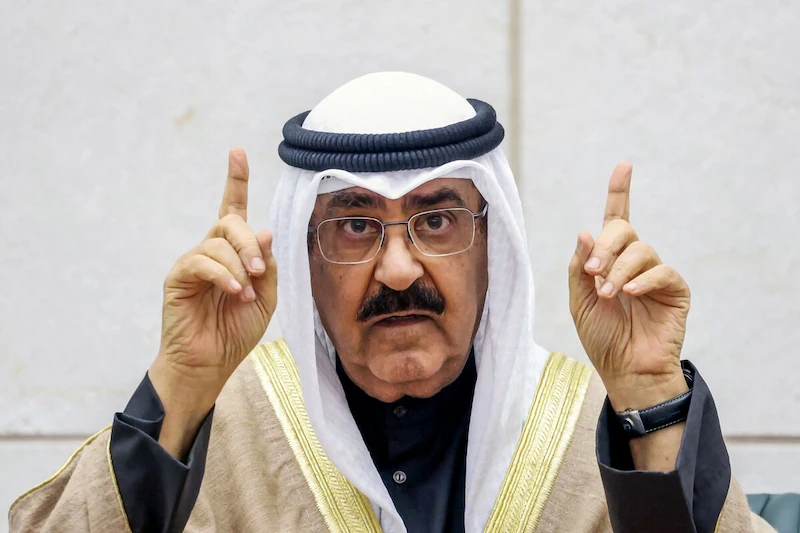


In a bold and unprecedented move, the ruler of Kuwait has taken decisive action to suspend parliament for up to four years in a bid to prevent the Gulf state from plunging into collapse amidst years of political deadlock. Emir Sheikh Mishaal Al-Ahmed Al-Sabah made the announcement late Friday, citing the need to safeguard the nation's higher interests and resources in the face of insurmountable challenges that have hindered progress.
The Emir's decision has thrown Kuwait's political landscape into further uncertainty, marking the third attempt to address the country's political gridlock. While this drastic measure aims to stabilize the nation, it also highlights deeper signs of political dysfunction that have plagued Kuwait for years. Sheikh Mishaal emphasized the necessity of forming a committee to examine the country's democratic journey comprehensively and present recommendations for necessary actions.
Accusing elected lawmakers of encroaching on his constitutional rights, the Emir's move effectively transfers the powers of parliament to the executive branch while maintaining the existing government structure. Notably, Kuwait stands out from its Gulf neighbors for upholding freedom of press and speech despite the suspension of parliament.
The recent appointment of Kuwait's fifth prime minister in as many years underscored the entrenched political instability within the OPEC member state. With the new premier, Sheikh Ahmad Abdullah Al-Sabah, working on forming the 13th ministerial lineup in a decade, the country remains in a state of flux as it grapples with key economic reforms.
Political clashes between elected lawmakers and government ministers from the ruling Al-Sabah family have impeded progress in overseeing Kuwait's oil-dependent economy, hindering vital reforms. The Emir criticized the parliament for turning into a platform for "unfamiliar and unacceptable" practices, leading to the suspension.
As Kuwaitis digest this significant development, the reactions of various political and social groups remain to be seen. With a history of political conflicts and failed attempts to dissolve parliament, the nation faces yet another critical juncture in its democratic journey. The Emir's speech highlighted the need to protect the democratic system from exploitation and reiterated his commitment to safeguarding the country's stability.
In the absence of a named heir apparent, the Emir's future actions regarding the succession process will be closely watched. With the once-scheduled opening of the newly elected parliament now on hold, Kuwait stands at a crossroads as it navigates the implications of this unprecedented decision on its political landscape and future direction.