




In a recent development, a British trade official has urged Prime Minister Justin Trudeau's government to expedite the ratification of the UK's inclusion in the Comprehensive and Progressive Agreement for Trans-Pacific Partnership (CPTPP) by the end of the year. However, complications have arisen due to an impasse in bilateral free trade talks between the UK and Canada, potentially hindering Canadian action to facilitate the UK's entry into the trade deal.
The UK, a signatory to the CPTPP since last July, recently obtained formal ratification from its Parliament. Nevertheless, the UK requires ratification from six out of the 11 CPTPP member countries for its accession to take effect, with only Singapore, Japan, and Chile having done so thus far. Trade Minister Mary Ng of Canada has yet to introduce a ratification bill to the Canadian House of Commons.
Jennifer Fagan, representing the UK High Commission in Canada, highlighted the importance of Canada's support in this process, emphasizing the countries' strong bilateral ties and Canada's current role as the chair of the CPTPP Commission. Fagan expressed optimism regarding the UK garnering the required ratifications by the end of 2024 but urged Canada to act promptly given its early advocacy for the UK's inclusion in the agreement.
Parallel to these discussions, the UK and Canada have faced challenges in their free trade negotiations, with certain post-Brexit trade provisions lapsing, leading to the suspension of talks. Despite assertions from officials that these issues are distinct from CPTPP considerations, the impact on trade relations cannot be overlooked.
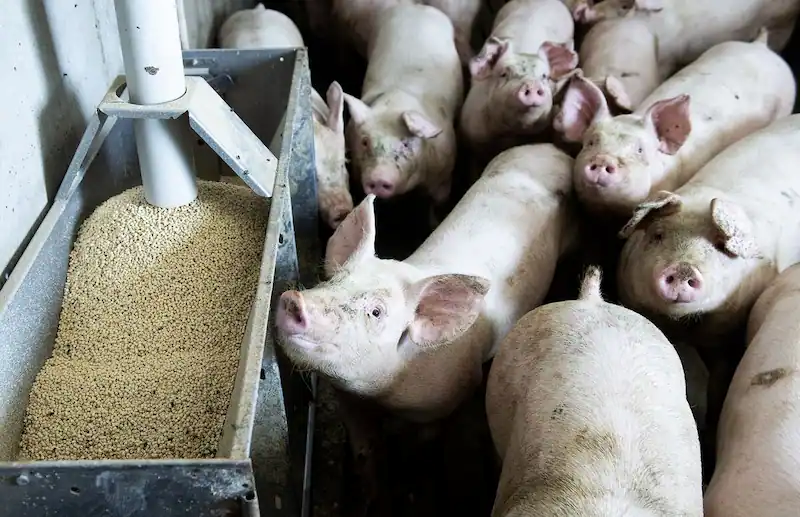
While Canada continues to express support for the UK's entry into the CPTPP, obstacles remain, including opposition from Canadian agriculture groups. This coalition contends that the agreement fails to provide substantial market access for sectors such as beef and pork industries, presenting significant hurdles for Canadian producers.
In response to these complexities, Ng affirmed Canada's commitment to facilitating the UK's entry into the CPTPP but refrained from committing to a specific timeline for parliamentary approval. Acknowledging the issue's priority, Ng assured that the ratification process remains on the agenda, aligning with Canada's intentions to move forward with the necessary steps.
The evolving dynamics of the Canada-UK trade relationship and the intricacies of the CPTPP accession highlight the multifaceted considerations and challenges at play as both nations navigate their respective trade agendas in the evolving global landscape.