




The Egyptian government is planning to gradually increase the prices of basic commodities distributed through ration cards in the near future, according to the country's Supply Minister Ali El-Mosilhy. The announcement comes as a result of the recent hike in prices of subsidized commodities, which has put pressure on the government to review the prices in order to ensure that the government can continue to fund and provide these essential commodities to the general public.
El-Mosilhy explained that the government has deliberately reduced the stocks of some commodities such as wheat and vegetable oils that are imported from abroad, for shorter periods ranging between three and six months. This is due to high inflation and a dollar shortage that has affected the country's economy. To combat the dollar shortage, the government is currently considering adopting local currencies between Egypt and some countries with which it trades. Negotiations with Russia, China, and India are ongoing, but nothing has been decided yet, as the matter is still under discussion by central and commercial banks.
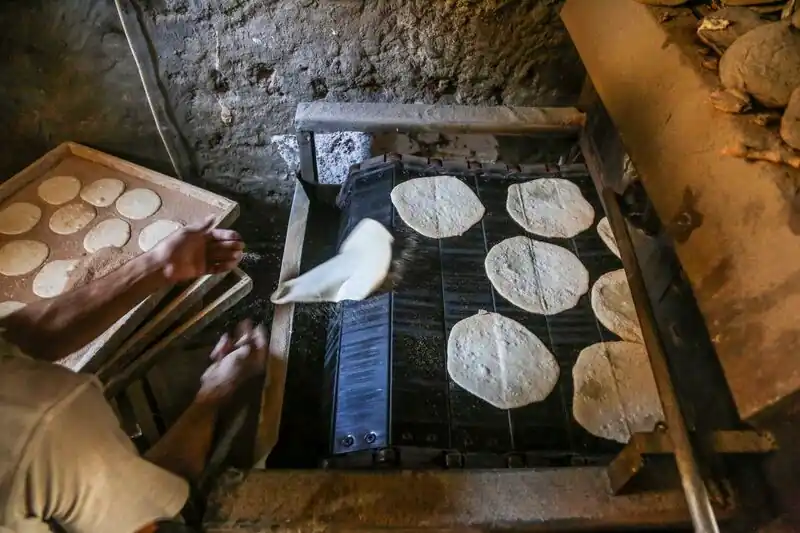
In addition to this, the minister also revealed that Egypt plans to import 5 million tons of wheat from the global market in the fiscal year 2023-2024. This move is expected to help stabilize the local market and ensure the availability of one of the most important basic commodities.
The decision to increase the prices of basic commodities on ration cards is likely to impact the majority of the population, who rely on these subsidized goods to meet their daily needs. As such, it is important for the government to ensure that any price adjustments are made in a gradual and measured way, so as to avoid any sudden shocks to the economy or the public.
Overall, the Egyptian government's plans to review the prices of basic commodities on ration cards and import 5 million tons of wheat from the global market are important steps towards ensuring the stability of the local market and meeting the needs of the population. The government will need to carefully balance these decisions against the ongoing economic challenges facing the country, in order to ensure that the benefits are felt by all.