


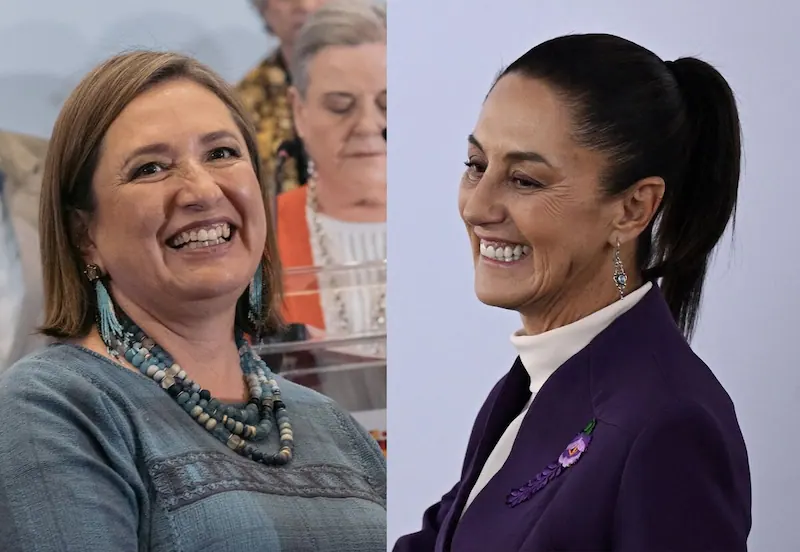


As Mexico prepares for a pivotal presidential election on June 2nd, the incoming leader will inherit a country poised for both significant growth and persistent challenges. With the incumbent President Andrés Manuel López Obrador's term coming to an end, the next administration will face a delicate balancing act between seizing opportunities in international trade and addressing pressing issues at home.
One of the key challenges awaiting the new president is reviving the lackluster economic growth that has plagued Mexico in recent years. Despite progress in reducing poverty and increasing the minimum wage, the economy still struggles to sustain consistent growth rates. Coupled with high inflation and a significant budget deficit, the new administration must navigate these economic hurdles to ensure stability and prosperity for all Mexicans.
On the trade front, Mexico finds itself in a unique position as the US's largest trade partner, having surpassed China in 2023. The United States-Mexico-Canada Agreement (USMCA) presents opportunities for further growth, but the pact will undergo a review in 2026, requiring strategic oversight from the incoming president. Additionally, the concept of nearshoring offers substantial potential for Mexico's economy, provided infrastructure and policy challenges are effectively addressed.
State-owned oil company Petróleos Mexicanos (Pemex) remains a significant concern, burdened by debt and inefficiency. The next president must navigate a delicate path to reform the company without jeopardizing public finances. Addressing ongoing violence fueled by cartels and enhancing infrastructure to support economic growth are also urgent priorities for the incoming administration.
Moreover, climate change poses a significant threat to Mexico, necessitating proactive measures to mitigate its impact. The new president will need to navigate US-China relations and potential repercussions for Mexican exports. As Chinese investment in Mexico grows, strategic decisions will be crucial to maintain a balance between economic growth and protecting national interests.
In the face of the looming US presidential election, Mexico's next leader must anticipate shifting policies on trade, immigration, and foreign relations. Collaboration with the White House will be essential to navigate the complex dynamics of the US-Mexico relationship. With a mix of challenges and opportunities on the horizon, the incoming president will need to demonstrate strong leadership and strategic vision to guide Mexico towards a prosperous future.