




In response to a concerning surge in hospitalizations and fatalities attributed to dengue fever, Honduras has officially declared a national health emergency. The government's directive mandates health authorities to swiftly implement comprehensive prevention and control measures while ensuring the allocation of necessary resources to effectively manage the outbreak.
The Honduran health ministry has documented a staggering 23,037 suspected cases of dengue within the initial 20 weeks of this year, marking one of the highest case counts in the Americas, as reported by the Pan American Health Organization (PAHO). This escalation in infections is part of a concerning trend across the region, with more than 8.65 million cases reported in the first five months of 2024 – nearly doubling the previous record of over 4.5 million cases reported in all of 2023.
Although the southern cone of the Americas, particularly Brazil, initially bore the brunt of the dengue outbreak, a perceptible decline in infections is now evident in that region. Conversely, Central America and the Caribbean are now bracing for a rise in cases as they approach their peak dengue season, as highlighted by PAHO.
The Honduran health ministry underscored the gravity of the situation by acknowledging the country's transition into an epidemic zone, fueled by a widespread escalation of cases across all regions and overwhelming hospital admissions due to the disease. Honduras currently stands as the second-most affected nation in the Central American Isthmus and Mexico Subregion, trailing only behind Mexico's tally of over 69,000 cases.
PAHO and the World Health Organization have advised nations in these areas to implement essential measures in readiness for the surge in dengue instances. These include optimizing health services to ensure proficient clinical management, preempting complications, and averting the saturation of specialized care facilities.
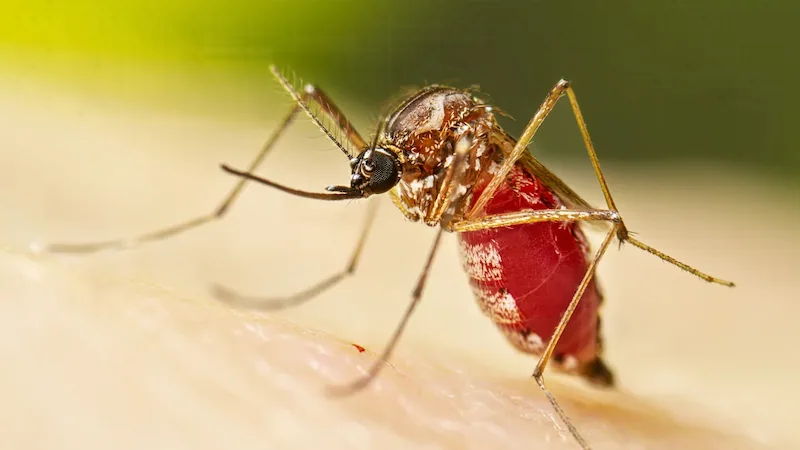
Dengue, a viral infection transmitted through the Aedes aegypti mosquito, is characterized by flu-like symptoms and can lead to severe outcomes, including fatalities. Moreover, this species of mosquito is also known to transmit other diseases such as yellow fever, chikungunya, and Zika. Vigilant efforts to control mosquito populations and mitigate the spread of dengue will be pivotal in curbing the crisis and safeguarding public health in the region.