


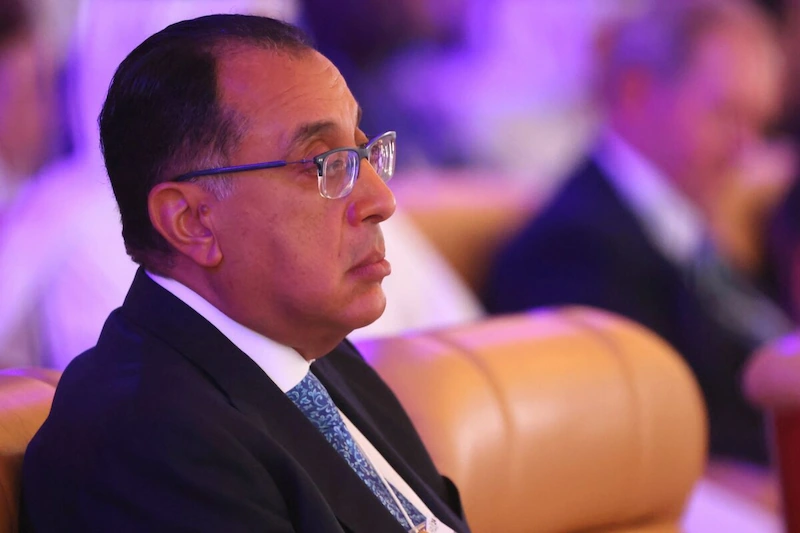


In a significant move aimed at propelling Egypt's economic transformation, President Abdel-Fattah El-Sisi has instructed Prime Minister Mostafa Madbouly to assemble a new government. The directive comes as Egypt forges ahead with sweeping economic reforms following the acquisition of more than $50 billion in aid and investments.
The presidency's announcement on Monday emphasized the need for a cabinet characterized by "competency and experience" to tackle the challenges faced by Egypt in the current global climate. Priorities for the nation moving forward include safeguarding national security and enhancing the development of human capital.
Madbouly, who took office as prime minister in 2018, led the longest-serving cabinet since the 2011 revolution that toppled former President Hosni Mubarak. Following the submission of his government's resignation, the timeline for the unveiling of new appointments remains unclear.
The anticipation of a reshuffle had been mounting since El-Sisi commenced his third term earlier this year, signaling a forthcoming economic overhaul. Recent pivotal agreements, such as the monumental $35 billion investment pact with the United Arab Emirates in February, have paved the way for critical economic adjustments, including currency devaluations and an expanded partnership with the International Monetary Fund.
With a focus on bolstering the private sector to drive economic growth and implementing cost-cutting measures, Egypt aims to fulfill the requirements of a $8 billion IMF program. These efforts are crucial in rebuilding investor confidence and creating employment opportunities for the nation's vast population of over 105 million.
Despite securing support from various international institutions, Egypt, burdened by substantial debt, continues to grapple with economic challenges. Inflation, though lower relative to the peak levels seen last year, persists above 30%, impacting consumers profoundly.
Furthermore, the IMF advocates for the reduction of the military's involvement in the economy and the implementation of targeted government assistance for the most vulnerable segments of society instead of subsidizing essential commodities. Recent steps, such as the first increase in subsidized bread prices in decades, underscore the government's efforts to address long-standing economic issues.
Egypt's path towards economic stability and growth remains complex, yet crucial reforms and strategic interventions signal a commitment to navigating these challenges towards a more prosperous future for the nation.