




In light of the recent scandal involving Japanese carmakers such as Toyota Motor Corp. and Honda Motor Co. fabricating certification test results, concerns have been raised about the adequacy and relevance of existing safety regulations in the automotive industry. Despite periodic revisions to safety standards enacted since 1951, analysts argue that regulations have failed to keep pace with technological advancements in automobile design.
Akio Toyoda, Chairman of Toyota, acknowledged the company's failure to adhere to proper procedures but also highlighted discrepancies between field tests and certification requirements. This incident has raised questions about the effectiveness and practicality of current certification systems.
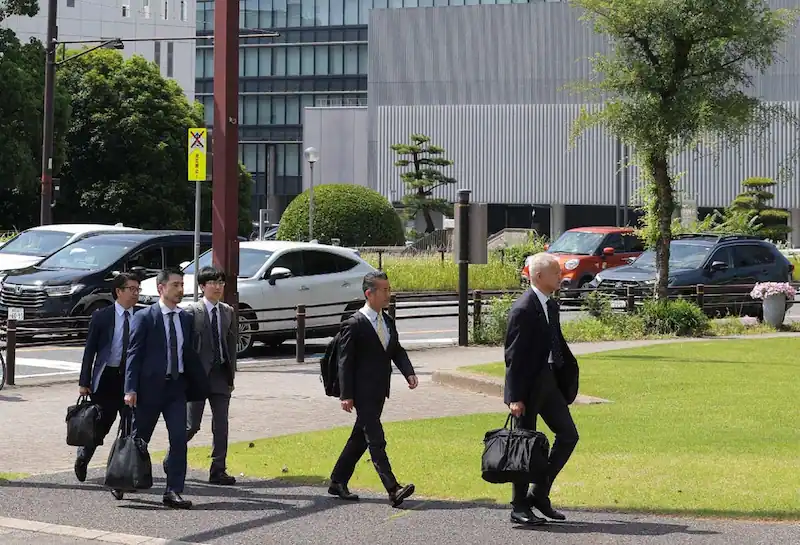
Government officials conducted a raid on Toyota's headquarters as the carmaker temporarily halted shipments of three models. While operational safety warnings were not issued, the move indicates a broader need for scrutiny of certification processes across the industry. However, there is no evidence of an intentional cover-up by the manufacturers at this stage.
The scandal adds to a series of certification-related issues in the automotive sector, threatening the reputation of Japanese carmakers. Daihatsu Motor Co. and Toyota Industries Corp. faced similar challenges in the past year, demonstrating a systemic flaw in compliance.
Ken Saito, the Minister of Economy, Trade and Industry, expressed deep regret over the situation and emphasized the need for a thorough investigation into the impact on suppliers. Akio Toyoda called for a collaborative effort between the government and manufacturers to enhance customer safety and industry competitiveness through reforms in the certification process.
The revelation that Honda and Mazda also manipulated test data further underscores the urgency for regulatory review and alignment with modern automotive practices. Concerns have been raised regarding the adequacy of certification procedures and the necessity for more stringent oversight to prevent future misconduct.
Analysts predict that the current scandal will serve as a catalyst for authorities to reassess and potentially overhaul the certification process, ensuring that safety standards reflect the evolving complexities of car manufacturing. As the industry grapples with trust issues and reputational damage, a comprehensive review of safety regulations appears imminent to restore public confidence and uphold the integrity of the Japanese automobile sector.