


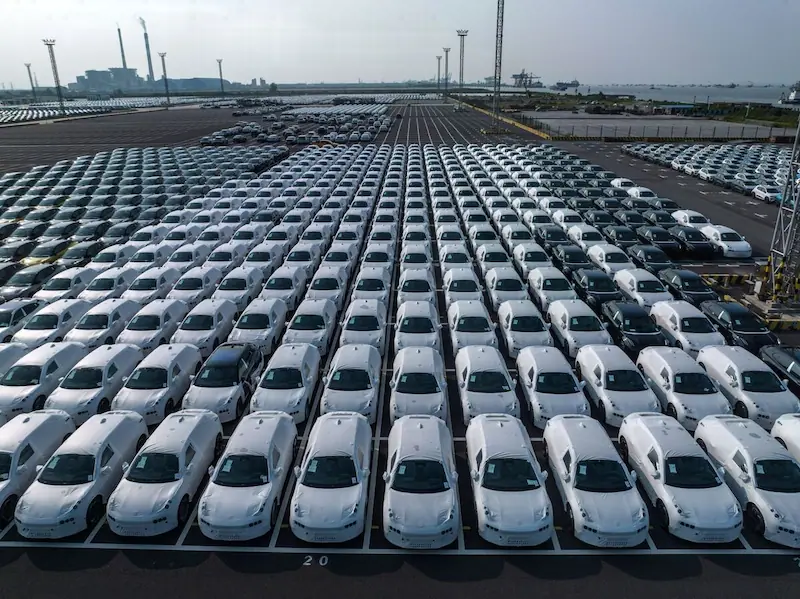


In a move to stabilize its economy and reduce the current account deficit, Turkey has announced a significant increase in tariffs on all vehicle purchases from China. The decision, outlined in a recent presidential decree published in the Official Gazette, will see tariffs on Chinese imports rise by 40%, with a minimum tariff of $7,000 set to take effect in 30 days.
This latest tariff hike comes on the heels of Turkey's previous measures to support its burgeoning electric vehicle sector, which saw customs duties on Chinese electric vehicles raised in 2023. The move reflects the government's commitment to advancing the country's domestic EV production and reducing its reliance on imported vehicles.
The decision to raise tariffs on Chinese vehicle imports is part of a broader strategy by the Turkish government to address economic challenges, including high inflation rates, which stood at approximately 75.5% at the end of May. To combat this, Turkey is implementing a tight monetary policy, strengthening its fiscal position, and taking steps to narrow the current account deficit.
By increasing tariffs on Chinese vehicle imports, Turkey aims to not only stimulate domestic production but also reduce its reliance on imports and bolster its economic resilience in the face of global economic uncertainty. This strategic move underscores Turkey's commitment to steering its economy towards sustainable growth and stability.