


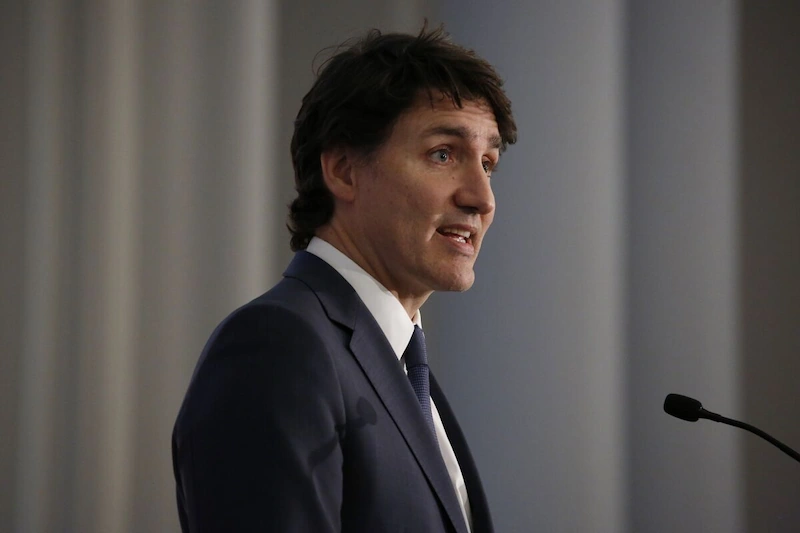


Canada's Finance Minister, Chrystia Freeland, is set to initiate a crucial vote this week on a contentious proposal to increase the capital-gains tax inclusion rate. In a speech delivered in Toronto on Sunday, Freeland outlined the government's intention to push forward with the reform, emphasizing that the changes will adhere to the earlier announced framework. The planned adjustments, scheduled to take effect on June 25, will see the tax rate on gains exceeding C$250,000 climb from half to two-thirds. Notably, the exemption for primary residence sales will remain untouched.
While the government estimates that this move will generate nearly C$20 billion in additional tax revenue over the next five years, the initiative has drawn widespread condemnation from various business entities. Critics argue that the tax hike could stunt investment opportunities in Canada and exacerbate existing productivity challenges. Despite the backlash, Prime Minister Justin Trudeau has championed the measure as a means to ensure the affluent contribute more significantly to societal welfare.
The impending vote has injected a sense of urgency into the financial landscape, with some investors reportedly scrambling to offload assets before the June 24 deadline to secure lower tax rates. The proposed changes, if implemented, are poised to have far-reaching implications on the Canadian fiscal landscape, stirring debates around economic competitiveness, investment viability, and the equitable distribution of tax burdens. As the government gears up for this pivotal vote, the nation stands at a crossroads, torn between the allure of increased revenue streams and the potential repercussions on its economic vitality.