


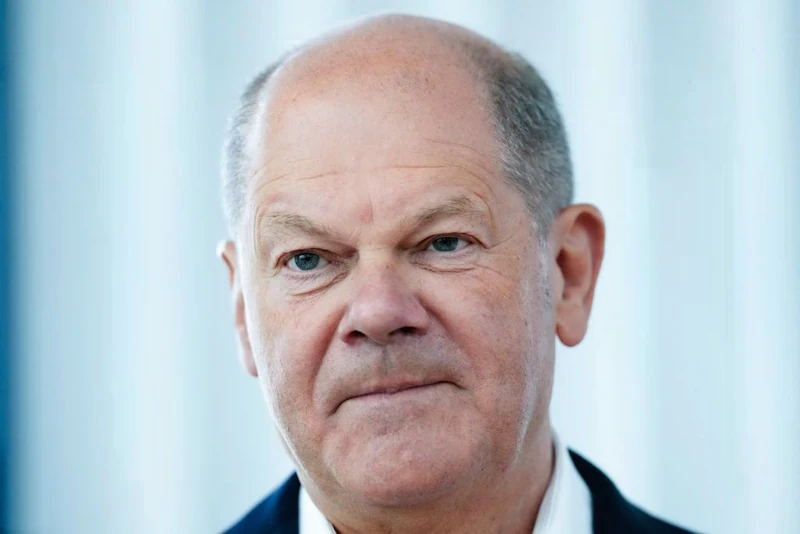


The ruling coalition in Germany, led by Chancellor Olaf Scholz, is facing a significant electoral crisis as the far-right Alternative for Germany (AfD) continues to gain momentum in the country's eastern regions. After a dismal performance in the recent European Parliament elections, where the Social Democrats (SPD) slumped to their worst result ever at 13.9%, the coalition faces further challenges in upcoming regional elections in Saxony, Thuringia, and Brandenburg.
In the eastern regions, where the AfD is the strongest party, the SPD fared poorly, managing only 6.9% in Saxony, 8.2% in Thuringia, and 13.1% in Brandenburg. The AfD emerged as the strongest party in all five eastern regions, scoring above 30% in Saxony and Thuringia. The three ruling parties in the government coalition in Berlin struggled to reach a combined 15% in these regions, raising concerns about their future.
Calls for an early national election have emerged from opposition lawmakers as the coalition's grip on power weakens. Despite the challenges, Chancellor Scholz emphasized the need to combat far-right forces while focusing on advancing the country's modernization and regaining the trust of voters.
As the coalition enters survival mode, negotiations on next year's budget pose another hurdle. Tensions arose within the coalition as Finance Minister Christian Lindner pushed for budget cuts for all cabinet members except Defense Minister Boris Pistorius, raising questions about Scholz's leadership.
While the AfD celebrated their performance in the recent elections, they still face obstacles in gaining regional power due to the opposition's "firewall" strategy. Despite recent controversies impacting the party's support, the AfD remains a significant force in German politics.
Amidst concerns about the rise of right-wing populism, business leaders like Tanja Goenner warn about the threats to social cohesion and prosperity posed by anti-European parties. As Germany grapples with political challenges, the future of the ruling coalition and the country's direction hang in the balance, sparking debates about the need for a fresh start and potential early elections.