


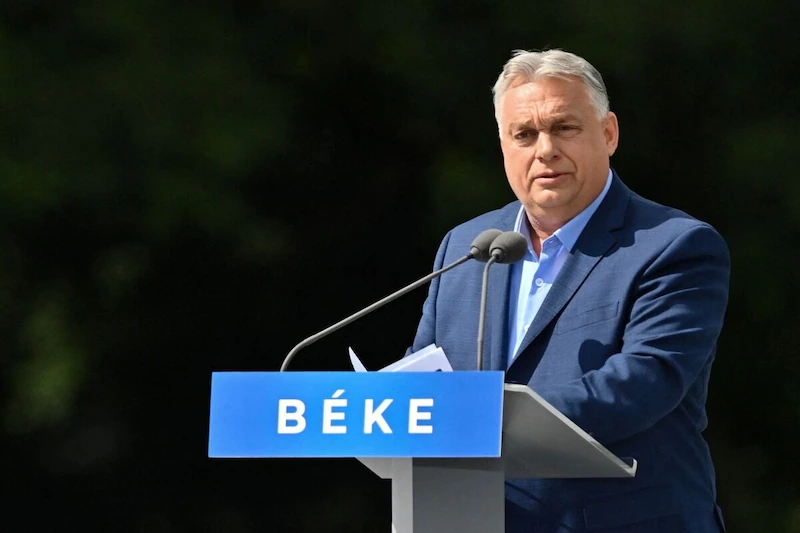


In a recent television interview, Hungarian Prime Minister Viktor Orban made it clear that he has no intention of calling for early parliamentary elections, despite facing increased competition from a new political force. Orban emphasized that the next general election will be held in 2026, allowing his government time to strengthen its position and enhance its performance.
Following the European Parliament elections, where Orban's Fidesz party secured the top spot, it faced unexpected challenges from the emerging Tisza party led by Peter Magyar. Despite maintaining its lead, Fidesz experienced its poorest showing to date, with Tisza making significant strides in regions traditionally loyal to the ruling party.
The decision to forgo early elections reflects Orban's confidence in his ability to secure a stronger position in the future. By focusing on governance and strategic improvements over the coming years, Orban aims to solidify his party's standing and address the growing competition posed by Tisza.
As Hungary's political landscape evolves, all eyes are on the upcoming 2026 general election, which will serve as a crucial battleground for both Fidesz and its challengers. With the stage set for a continued political rivalry, Orban's refusal to expedite elections sets the tone for a calculated and strategic approach towards securing long-term electoral success.