


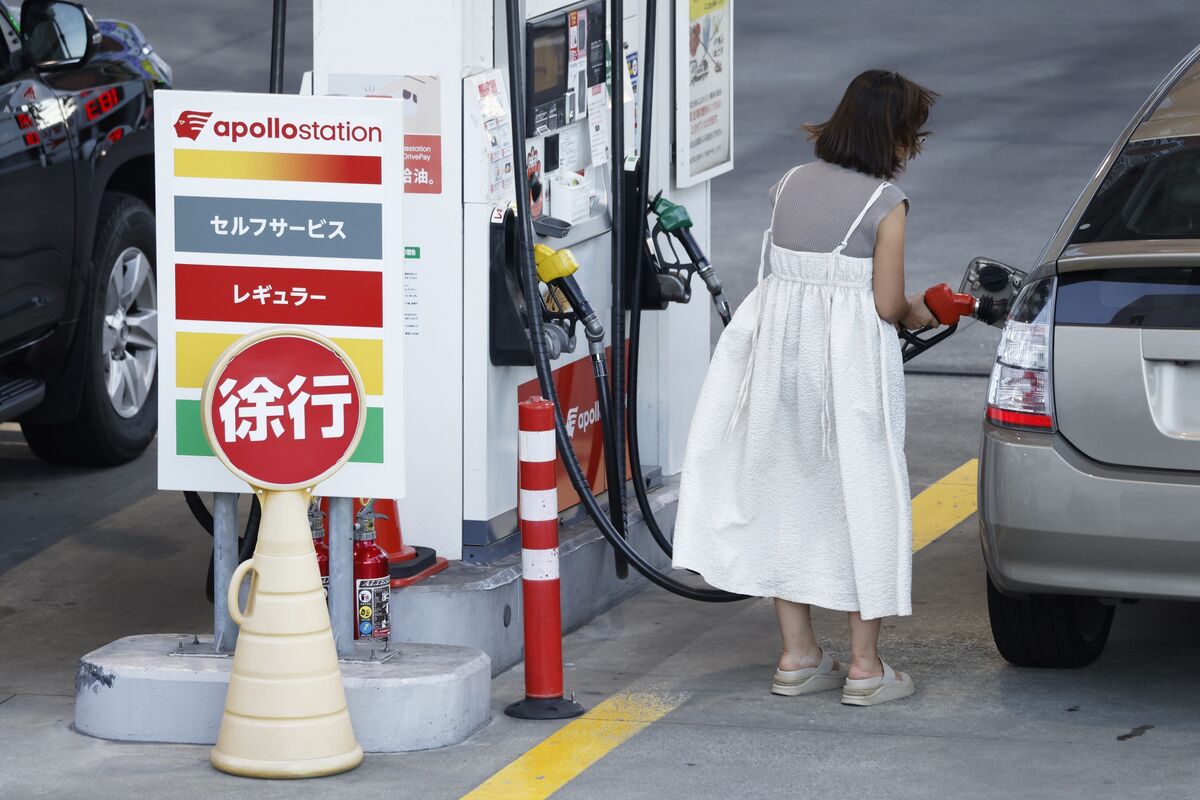


Japanese Prime Minister Fumio Kishida recently announced a series of additional measures aimed at aiding households grappling with rising inflation in Japan. These initiatives include subsidies for power bills beginning in August and extending until the end of the year, alongside the prolongation of gasoline subsidies. Kishida also stated that the government is contemplating providing cash handouts to pensioners and lower-income families.
During a press conference, Kishida emphasized his belief that Japan's economy is transitioning towards a growth-oriented model, citing wage increases as a key driver. However, he acknowledged the challenges posed by high inflation, particularly affecting pensioners and small to medium-sized businesses unable to pass on increased costs. Concerns over the impact of expiring subsidies and a weakened yen contributing to inflationary pressures prompted the decision to implement these new support measures.
By estimating that the additional subsidies would limit consumer inflation to an average of 0.5% per month, Kishida aims to mitigate the effects of rising costs. Nevertheless, this move could complicate the Bank of Japan's planned policy normalization, with expectations of another interest rate hike later this year following the unprecedented increase in March.
As the parliament session draws to a close, Kishida faces declining approval ratings amidst criticisms of various scandals. Despite introducing voter-friendly initiatives like the tax rebate, public discontent persists, potentially affecting his leadership of the Liberal Democratic Party in the upcoming party election. When questioned about his future plans regarding a general election and the LDP race, Kishida emphasized his commitment to addressing ongoing responsibilities as the country's premier.