


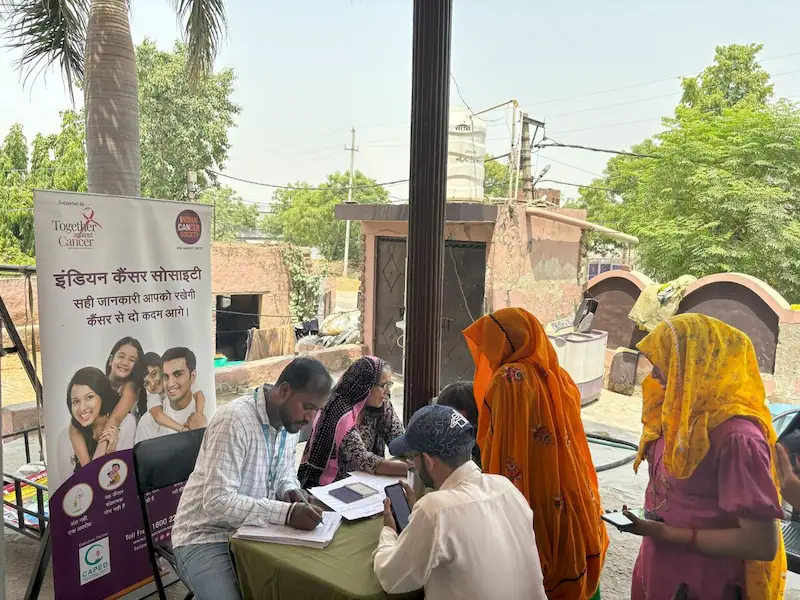


In a small village on the outskirts of New Delhi, efforts are underway to combat cervical cancer, a leading cause of mortality for women in India. Despite free screening and treatment options, only a small percentage of women are willing to undergo cervical inspections, highlighting the barriers that exist in accessing crucial healthcare services.
Indian Prime Minister Narendra Modi has made a commitment to reduce cervical cancer cases in the country, where nearly a quarter of global cervical cancer deaths occur. With less than 2% of Indian women receiving cervical screenings, the need for improved prevention and treatment measures is evident.
The potential game-changer in this fight is an affordable Human Papillomavirus (HPV) vaccine developed by the Serum Institute of India Pvt. This single-dose vaccine, currently under study for its efficacy, could revolutionize the country's approach to cervical cancer prevention.
By implementing a universal immunization program targeting young girls, the government aims to significantly reduce the burden of cervical cancer in India. Success in this endeavor could not only save millions of lives but also serve as a model for other low and middle-income countries facing similar challenges.
The availability of cost-effective HPV vaccines, coupled with increased screening efforts, holds the promise of transforming the landscape of cervical cancer prevention in India. With initiatives like the WHO's 90-70-90 program aiming to vaccinate, screen, and treat women effectively, the country stands at a pivotal moment in its battle against this deadly disease.
As awareness grows and access to essential healthcare services improves, the hope is that more communities like Kanarsi will become beacons of progress in the global fight against cervical cancer. Through a combination of vaccination, screening, and education, India is poised to make significant strides in curbing the impact of this preventable disease on women's health.