


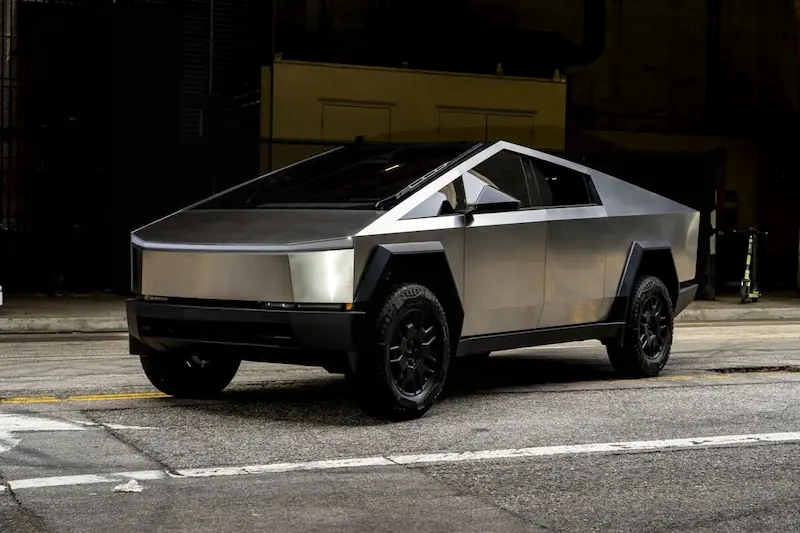


In a recent development, Tesla Inc. has issued a recall for over 11,000 of its Cybertruck models due to concerns regarding faulty windshield-wiper components and trim pieces that may come loose during driving. This latest setback adds to a series of challenges faced by the automaker in relation to its Cybertruck line.
The recall, as reported by the US National Highway Traffic Safety Administration, addresses potential defects in the wiper motors affecting around 2% of the Cybertrucks and issues with trim pieces in about 1% of the vehicles. Tesla has been striving to rectify these issues and ensure the safety and quality of its product.
This isn't the first time the Cybertruck has encountered problems, with an earlier recall in February involving millions of vehicles to address braking concerns. Subsequently, a recall in April was issued for nearly 3,900 pickups due to the risk of pedals dislodging and causing unintended acceleration. The company also faced issues with the front trunk closing on owners' fingers in separate incidents.
Despite these challenges, Tesla's CEO Elon Musk highlighted some positive strides with the Cybertruck production at the recent shareholder meeting. Musk mentioned the production rate of 1,300 pickups per week, indicating progress in meeting demand for the highly anticipated vehicle. However, concerns over safety and quality control persist.
The reports concerning the faulty windshield-wiper components and trim pieces highlight the importance of addressing these issues promptly to prevent any accidents or safety hazards for drivers and passengers. Tesla has assured that no accidents, injuries, or fatalities have been reported in relation to these concerns, but the company remains committed to ensuring the safety and satisfaction of its customers.
As Tesla continues to work on resolving these challenges, the focus remains on delivering a high-quality, reliable, and safe product to its customers. The Cybertruck recall serves as a reminder of the ongoing efforts required to maintain stringent quality standards in the automotive industry and prioritize consumer safety above all else.