


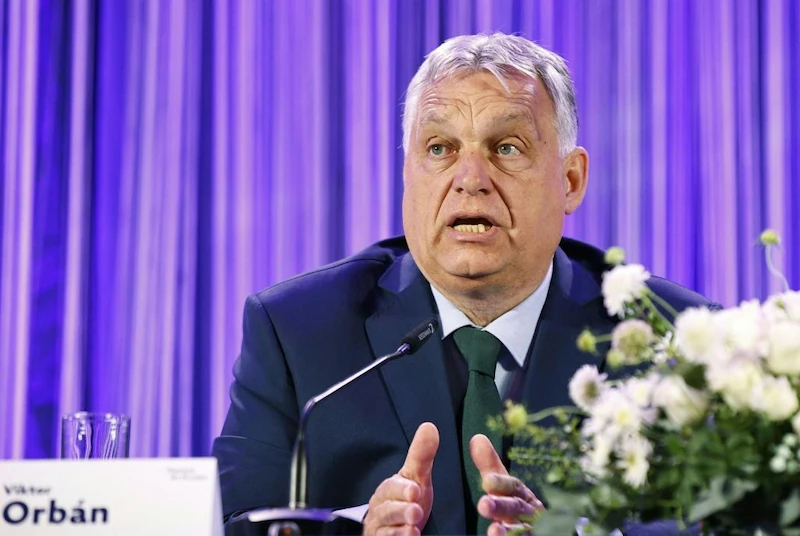


In a strategic move aimed at reshaping the political landscape of the European Union, Hungarian Prime Minister Viktor Orban has announced the formation of a new political group alongside nationalist forces in Austria and the Czech Republic. This alliance marks a significant development in the ongoing evolution of populist right-wing movements within the EU, following recent electoral successes and growing support from voters across the continent.
Orban's decision to forge this alliance comes amid his efforts to break free from the isolation his party, Fidesz, had faced following its departure from the moderate conservative European People's Party in 2021. By joining forces with Austria's Freedom Party and the Czech Republic's ANO, Orban aims to establish a robust right-wing bloc that could challenge the dominance of more centrist parties within the EU.
The new alliance, which currently meets the minimum requirements to form a separate political caucus within the European Parliament, is poised to advocate for greater sovereignty for member states, a reduction in the EU's influence, and a crackdown on immigration. This move reflects a broader trend of right-wing parties across Europe seeking to consolidate their power and alter the trajectory of EU policies and decision-making processes.
However, challenges may lie ahead for the alliance, particularly in aligning their views on contentious issues such as support for Ukraine and relations with Russia. While Orban and the Freedom Party have taken a firm stance against aiding Ukraine, other potential allies like Poland's Law & Justice and Italy's Giorgia Meloni have expressed their commitment to supporting the country.
As discussions progress and negotiations evolve, the success of Orban's alliance will depend on its ability to attract additional members, navigate differing priorities among its constituents, and effectively challenge the status quo within the EU. With the resurgence of right-wing movements across Europe, this newly formed political group may herald a significant shift in the balance of power and influence within the European political landscape.