


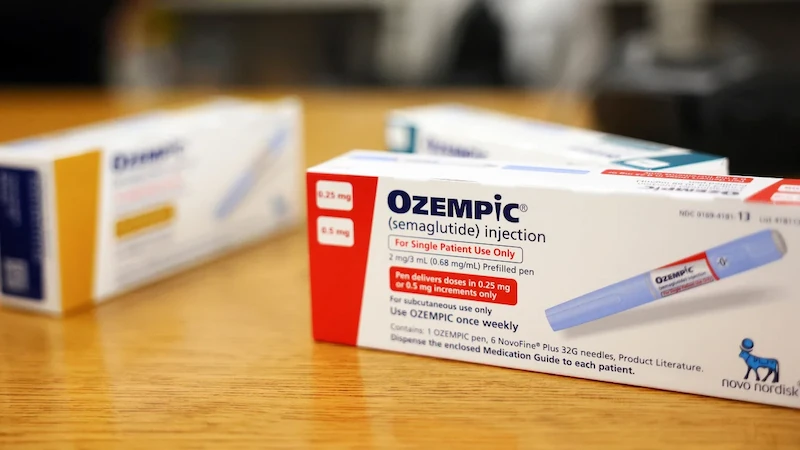


A recent study conducted by doctors at Mass Eye and Ear has brought forth concerning findings suggesting a potential link between the use of semaglutide medications, such as Ozempic and Wegovy, and an increased risk of non-arteritic anterior ischemic optic neuropathy (NAION), a rare form of blindness. While the condition itself is uncommon, with up to 10 out of 100,000 people in the general population experiencing it, the study revealed a higher incidence of NAION among individuals taking semaglutide medications.
The study's retrospective analysis of medical records over six years revealed that individuals with diabetes were more than four times likely to be diagnosed with NAION if they were prescribed semaglutide, while those who were overweight or obese faced over seven times higher risk when taking the medication. Particularly concerning was the increased risk within the first year of initiating treatment with semaglutide.
Novo Nordisk, the manufacturer of semaglutide medications in the US, has emphasized that the study's data is not conclusive enough to establish a direct causal relationship between the use of their medications and NAION. However, the surge in semaglutide prescriptions in the US raises awareness about a potential side effect that warrants further investigation.
Despite the findings, experts advise that the potential risk of NAION should not deter patients from utilizing semaglutide medications to manage diabetes or obesity. While the exact mechanisms underlying the interaction between semaglutides and the eyes remain unclear, changes in blood sugar levels can impact vision, and previous reports have linked semaglutide use to temporary vision changes.
In light of these findings, patients who are currently on semaglutide medications or considering treatment with them should have open discussions with their healthcare providers. Especially for individuals with preexisting optic nerve issues or concerns, consultations with ophthalmologists are recommended to weigh the benefits versus risks of long-term semaglutide therapy.
As the medical community continues to monitor and assess the potential risks associated with semaglutide medications, patient safety remains a top priority, with ongoing research aiming to shed more light on the relationship between these medications and rare eye conditions like NAION.