


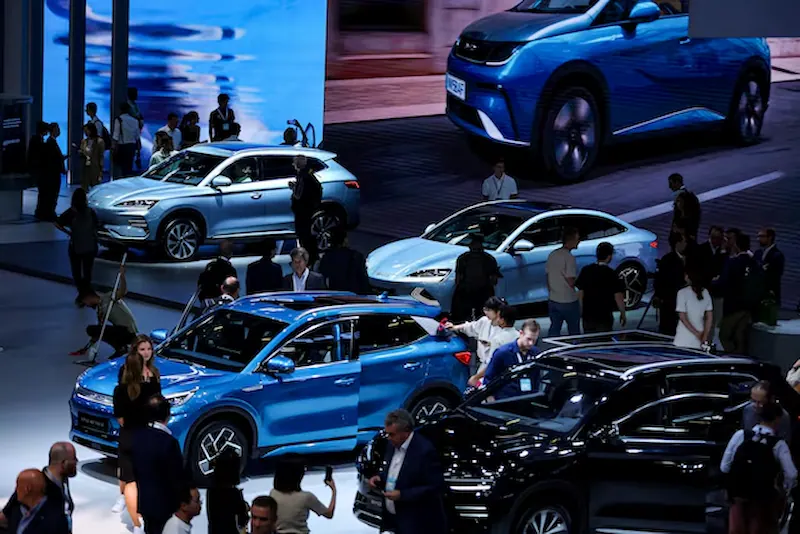


EU member states find themselves in a complex position as they grapple with the decision of whether to support additional tariffs on Chinese-built electric vehicles. The situation underscores the challenges facing Brussels as they navigate their largest trade case yet, especially in light of the threat of retaliation from Beijing.
While countries like Germany, a key player in the automotive industry with significant sales in China, are pushing to halt the tariffs, France has emerged as a staunch supporter. However, the majority of EU nations are still deliberating on the matter, showcasing a lack of consensus in the bloc.
Set to undergo an advisory vote in the coming weeks, this marks a pivotal moment for the Commission. The move to initiate the probe without an industry complaint highlights the unprecedented nature of the case. The imminent confirmation of provisional duties further intensifies the debate, potentially impacting major Chinese brands and western automakers alike.
The looming prospect of multi-year tariffs in October adds another layer of complexity to the situation. With countries like France, Italy, and Spain voicing their support, opposing views from nations like the Czech Republic, Greece, Ireland, and Poland highlight the divergent perspectives within the EU.
Amidst concerns about the potential negative effects of tariffs on the EV market and broader economic implications, industry stakeholders are urging Brussels to seek a negotiated solution with Beijing. The specter of retaliatory measures from China poses additional risks, raising the stakes for both sides in the escalating trade dispute.
As the EU aims to level the playing field and protect its industries from unfair competition, the outcome of this case could have far-reaching implications for future trade relations. With signals suggesting a more assertive stance towards China, the EU's efforts to address state interference and subsidies indicate a broader shift in its trade policies.
The evolving dynamics surrounding the tariffs on Chinese electric vehicles underscore the intricate balancing act facing the EU as it navigates the complexities of global trade politics. The decision-making process ahead will not only shape the immediate future of the automotive industry but also set the tone for the EU's approach towards trade relations with China in the years to come.