


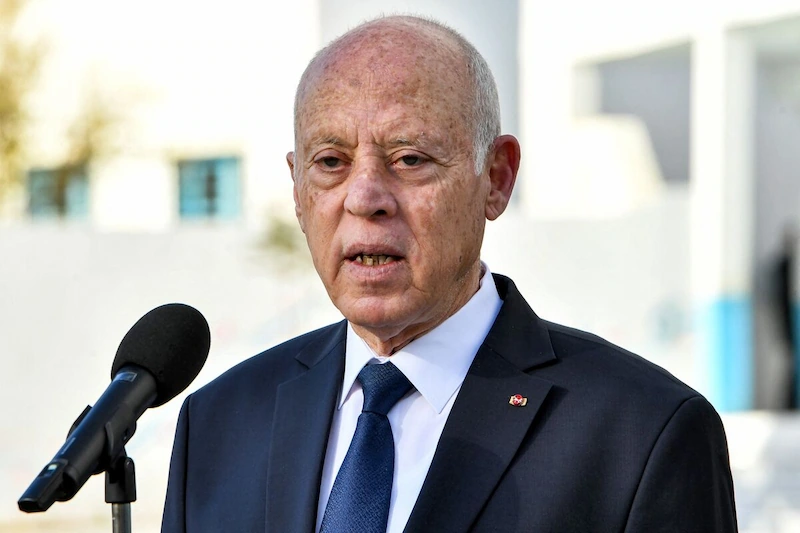


As Tunisia gears up for its upcoming presidential elections on Oct. 6, the country finds itself at a critical crossroads, with democracy hanging in the balance. What was once hailed as a beacon of political freedom in the Arab world following the 2011 ousting of Zine El Abidine Ben Ali now faces significant challenges under President Kais Saied.
Saied's unexpected victory in 2019 brought hope to many Tunisians eager for change. However, his consolidation of power, crackdown on dissent, and marginalization of political opponents have raised fears of a return to authoritarian rule. His recent decision to set the date for the elections has further fueled concerns about the fairness and transparency of the electoral process.
With prominent critics imprisoned or in exile, Saied appears poised for re-election without significant competition. This lack of viable opposition candidates, coupled with a fractured political landscape and economic challenges, paints a precarious picture for Tunisia's future.
The country's struggling economy, marked by high youth unemployment and stalled IMF negotiations, adds another layer of complexity to the upcoming elections. While there are signs of growth in sectors like tourism and exports, Tunisia continues to grapple with debt and foreign financing issues.
Against this backdrop, the Tunisian opposition remains divided, with no unified front emerging to challenge Saied. The absence of a cohesive opposition candidate and concerns over electoral fairness underscore the deepening political crisis gripping the nation.
As Tunisia navigates the road to the presidential elections, the international community will be closely watching the developments, wary of any further erosion of democratic norms in a country that once stood as a symbol of hope for democratic transition in the Arab world.