


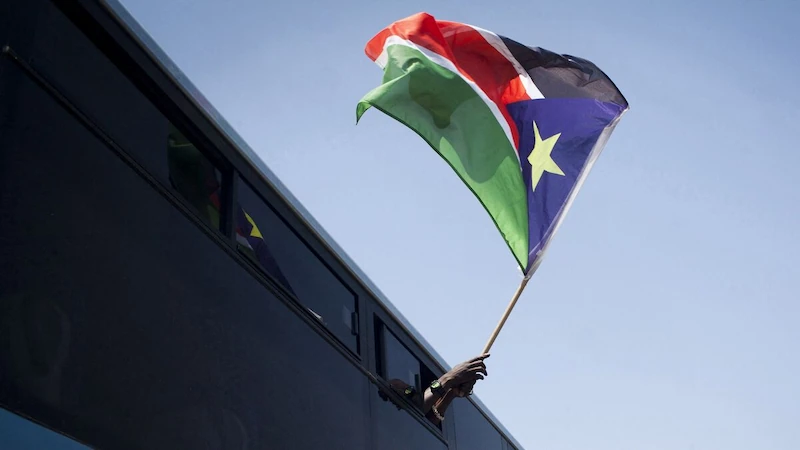


South Sudan has officially scheduled its first presidential elections since gaining independence from Sudan over a decade ago. The National Elections Commission in Juba announced that the polls will take place on December 22, marking a crucial step in the country's transition from a long-standing transitional government established following a 2018 peace agreement between President Salva Kiir and opposition factions.
The upcoming elections come at a critical juncture for the conflict-ridden nation, which has grappled with internal strife and instability since its independence in 2011. The United Nations, cognizant of the volatility in the region, has emphasized the importance of managing the electoral process meticulously to avert potential chaos and violence post-election.
The challenges facing South Sudan are multifaceted, ranging from resource disputes, high levels of unemployment, power struggles among political elites, escalating inter-communal conflicts, and the influx of returnees and refugees fleeing conflicts in neighboring Sudan. Jean-Pierre Lacroix, the UN's under-secretary-general for peace operations, underscored the need for a well-organized and peaceful electoral process to prevent further turmoil in a country already teetering on fragility.
The specter of violence looms large over South Sudan, and the successful conduction of the upcoming elections is paramount for the stability and progress of not only the nation but also the broader region. With the potential consequences of mismanagement being dire, all stakeholders must work together to ensure a smooth and peaceful electoral transition towards a more stable and prosperous future for South Sudan.