


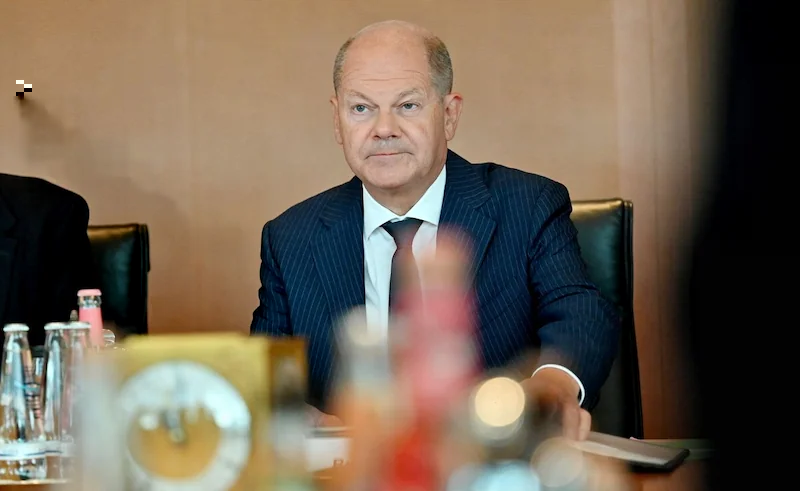


In a landmark decision, the German Chancellor Olaf Scholz’s cabinet has given the green light to a draft budget for the upcoming year, navigating through a challenging fiscal landscape. The contentious finance plan, finalized after intense negotiations, paves the way for net new federal borrowing of €43.8 billion ($47.8 billion) as the country seeks to balance its finances amidst competing demands.
The budget blueprint, which has faced internal discord, now heads towards a tumultuous journey through parliament with dissenting voices within the ruling coalition unhappy with the austerity measures imposed by Finance Minister Christian Lindner. Lindner, representing the fiscally hawkish Free Democratic Party, has stood firm on reinstating a strict borrowing limit - the debt brake - suspended during the pandemic and energy crisis.
As Germany grapples with pressing issues like climate change, energy transition, defense spending, and an aging population, critics fear that the debt brake could hinder substantial investments needed to tackle these challenges effectively. However, Lindner’s staunch adherence to fiscal discipline continues to drive the budget discussions.
While Defense Minister Boris Pistorius secures funding to meet NATO’s defense spending target, some ministers like Labor Minister Hubertus Heil and Transport Minister Volker Wissing are spared from the stringent savings regimen. Foreign Minister Annalena Baerbock, however, expresses disappointment over the allocation of resources.
Opposition lawmakers raise concerns over the budget projections, highlighting a financing gap of around €17 billion in the 2025 budget. Amidst debates on revenue estimates and spending projections, the government remains optimistic about stronger economic growth closing the gap. Yet, skepticism looms regarding the sustainability of the proposed budget framework.
In addition to the 2025 budget, a supplementary budget for the current year is ratified, including additional net new debt of €11.3 billion to support the economy. Economy Minister Robert Habeck’s stimulus package aims to boost growth by stimulating investments, promoting renewable energies, and easing regulatory burdens.
As the budget undergoes parliamentary scrutiny, the possibility of suspending the debt brake again lingers, reflecting differing viewpoints within the ruling coalition. The fate of the budget plan hinges on the legislative process in the Bundestag and Bundesrat, with a deadline set for end-of-year approval.
Amidst fiscal tensions and divergent priorities, Germany embarks on a crucial journey towards fiscal stability and sustainable economic growth in the post-pandemic era.