


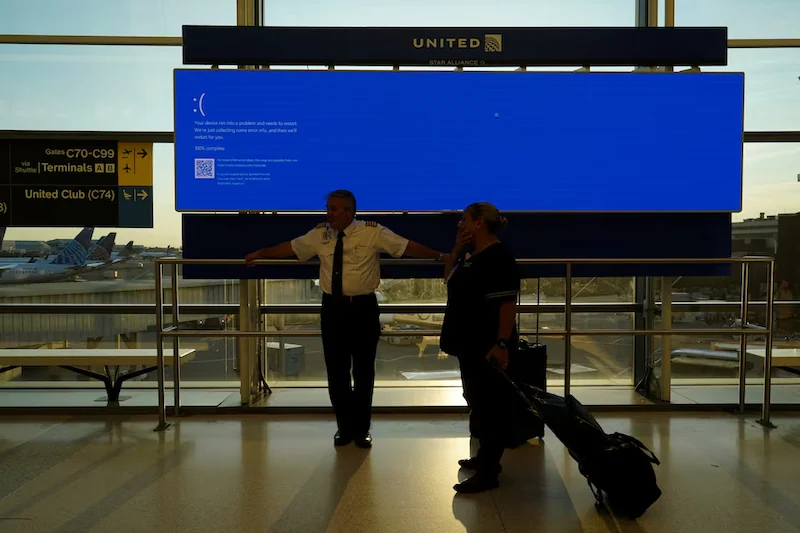


In a devastating turn of events, a global tech outage rattled industries worldwide as a software update from cybersecurity firm CrowdStrike triggered a chain reaction of system malfunctions. This outage caused chaos that grounded flights, disrupted financial services, knocked broadcasters off the air, and left countless customers without critical services like healthcare and banking.
The incident drew the attention of U.S. President Joe Biden, who was briefed on the situation. CrowdStrike's CEO, George Kurtz, acknowledged the issue stemmed from a single content update that impacted Microsoft customers. He assured the public that a fix was in progress, albeit with some systems needing manual intervention for recovery.
Although the problem was resolved, the outage underscored the vulnerabilities of our increasingly interconnected digital world. As governments and businesses rely more on a select few tech giants, any disruption in their services can have far-reaching consequences. The fragility of the internet's core infrastructure was laid bare, prompting concerns about the resilience of our digital ecosystem.
Instances of disruption were widespread, affecting major airlines, financial institutions, healthcare providers, and even media outlets. The scale of the outage was unprecedented, causing global market disruptions and highlighting the pervasive impact of a tech failure.
While companies gradually restored their services, the event served as a stark reminder of the risks associated with our dependence on digital technologies. The incident also raised questions about the efficacy of IT security tools, with experts warning of the potential fallout from such a massive IT outage.
As businesses and institutions worked to return to normalcy, the episode serves as a wake-up call for the tech industry to prioritize resilience and robustness in the face of increasing digital interconnectivity. The repercussions of this global tech outage are a testament to the urgent need for comprehensive cybersecurity measures and contingency plans in our digital age.