


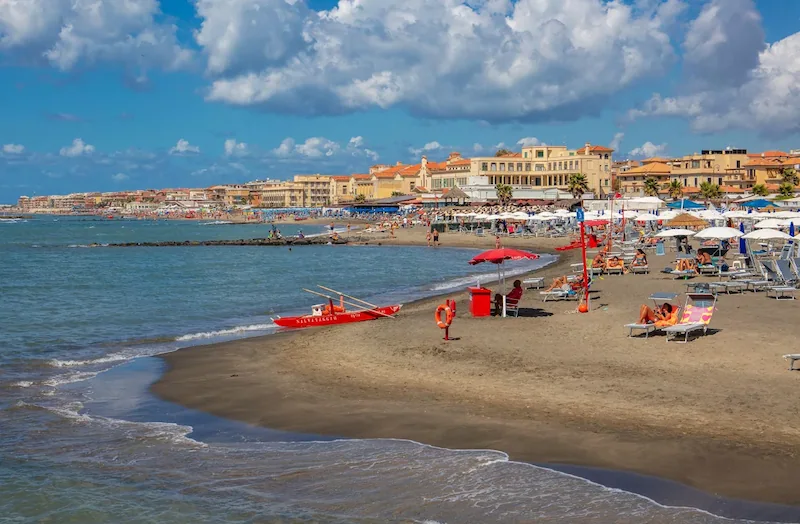


Amidst the picturesque allure of the Mediterranean Sea lies a hidden danger that threatens its beauty and the well-being of millions. Recent findings by the World Wide Fund for Nature reveal that over 87% of the Mediterranean Sea is tainted with microplastics, toxic metals, and industrial chemicals, painting a grim picture of environmental degradation. The impact is not just confined to the marine ecosystem; it has far-reaching implications for human health, with 1.4 million premature deaths globally attributed to water pollution.
The Mediterranean shoreline, spanning 22 countries with varying environmental standards, bears the brunt of this pollution. Egypt, Turkey, and Italy emerge as the top plastic polluters in the region, collectively contributing millions of tons of plastic waste to the sea. This pollution translates to a staggering 1.9 million plastic fragments per square meter, creating a hazardous environment for marine life and coastal communities.
As alarming as these statistics are, the consequences are closer than we think. The ingestion of microplastics through seafood consumption and contaminated water poses a significant health risk, with individuals potentially consuming over 100 thousand microplastics daily. The Mediterranean's biodiversity, rich in marine flora and fauna, is under severe threat, impacting the €4.6 billion fishing industry and the livelihoods of 180,000 individuals dependent on fishing.
A glimmer of hope shines through efforts to regulate chemical pollution from cargo ships, exemplified by improvements observed in locations like Ostia, Italy. However, the overarching challenge of plastic pollution persists, with an estimated 730 tonnes of plastic waste entering the Mediterranean daily. The prevalence of microplastics in marine animals, as discovered by a Greek study, underscores the urgent need for action to safeguard marine life and human health.
Dr. Raffaele Marfella underscores the broader health implications of plastic pollution, linking microplastics to cardiovascular diseases through inflammation and oxidative stress. The persistent nature of plastic pollution as a "forever" pollutant underscores the urgency for collective action to prevent irreversible damage to the Mediterranean Sea and its ecosystems.
Ultimately, the responsibility falls upon individuals to protect this precious ecosystem. Beach-goers like Francesco Pacelli emphasize the importance of maintaining clean beaches for the well-being of marine life and the preservation of the Mediterranean's natural beauty. Failure to address the scourge of water pollution threatens to transform the dreamy Mediterranean vacation into a dystopian reality, underscoring the pressing need for sustainable practices to restore the sea to its former glory.