


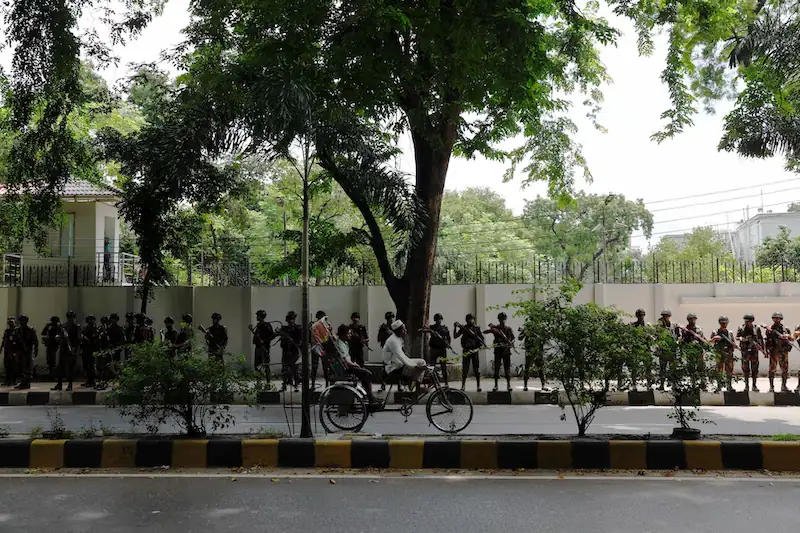


In a significant move, Bangladesh's Supreme Court has made the decision to eliminate most government job quotas following widespread protests that resulted in at least 139 fatalities. The decision, which overturned a lower court ruling, mandates that 93% of government jobs be allocated based on merit, signalling a major shift in the country's employment policies.
The quota system, initially abolished by Prime Minister Sheikh Hasina's government in 2018, reserved 56% of jobs for specific groups such as families of freedom fighters, women, and individuals from underprivileged regions. Despite the previous abolition, the lower court had recently reinstated the quotas, sparking outrage and demonstrations that escalated to violence, prompting the government to impose a curfew and restrict internet access.
While the Supreme Court's ruling aims to restore order and normalcy, some protest organisers have expressed dissatisfaction, vowing to continue their efforts until detained student leaders are released and communication services are fully restored. The unclear implications of the court's directive have left some individuals uncertain about the future of job opportunities in the country.
The ongoing clashes have underscored underlying issues such as limited job prospects in the private sector and high youth unemployment, fueling the appeal of secure public sector positions. With the economy facing challenges and social tensions persisting, the government must navigate a delicate balance between addressing the demands of the populace and maintaining stability.
As the nation grapples with the aftermath of the protests, concerns linger regarding the enforcement of the court's decision, the potential for further unrest, and the need for dialogue to address underlying grievances. The road ahead remains uncertain, with the impact of recent events reverberating across various sectors of Bangladeshi society.