


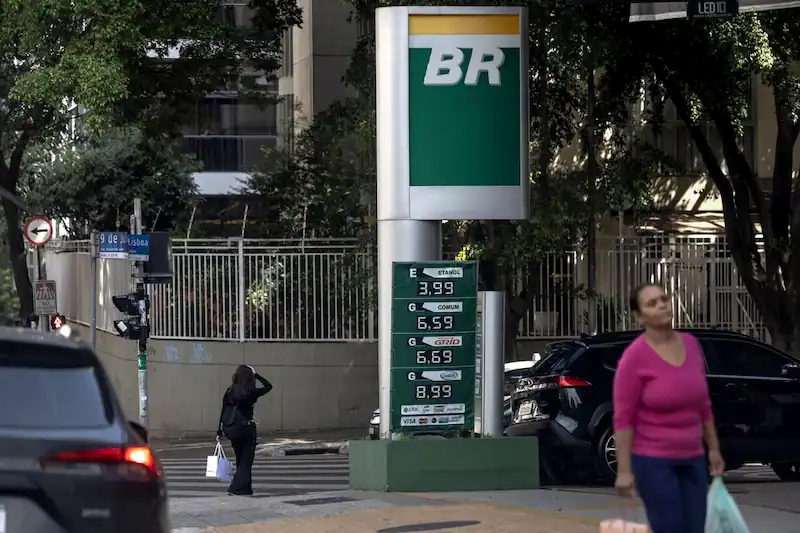


Brazil's annual inflation surged beyond expectations in early July, signaling a challenging road ahead for policymakers and investors. With consumer prices rising by 4.45% from a year earlier, well above the forecasted 4.37%, concerns are mounting about the need for the central bank to raise borrowing costs. This unexpected inflation uptick has fueled speculation that the bank may have to adjust rates later this year, despite the likelihood of them remaining steady in the upcoming meeting.
As inflation forecasts consistently exceed the 3% target, the current state of high interest rates has yet to curb economic growth significantly, while the labor market remains tight. Adding to the complexity, the market is closely monitoring President Luiz Inacio Lula da Silva's spending plans, which have sparked apprehension among investors.
Following the release of the latest data, swap rates surged in morning trading, reflecting heightened expectations for future monetary policy adjustments. The possibility of a return to monetary easing, which was temporarily halted in June, appears more remote as pessimistic market-watchers foresee potential rate hikes on the horizon.
Significant price hikes in fuel, transportation, and airline tickets drove the monthly inflation rate up by 0.3%, further complicating the inflationary outlook. The recent depreciation of the Brazilian real, exacerbated by the government's struggles to implement budget cuts, has also fueled inflation by raising import costs.
Though the weaker currency poses a challenge, some economists remain optimistic that the central bank will resume rate cuts in September. They believe that despite short-term challenges, underlying inflation remains manageable and supply-related shocks will subside. Meanwhile, foreign direct investment in June exceeded expectations, providing a glimmer of positive economic activity amidst the inflationary pressures faced by Brazil.