


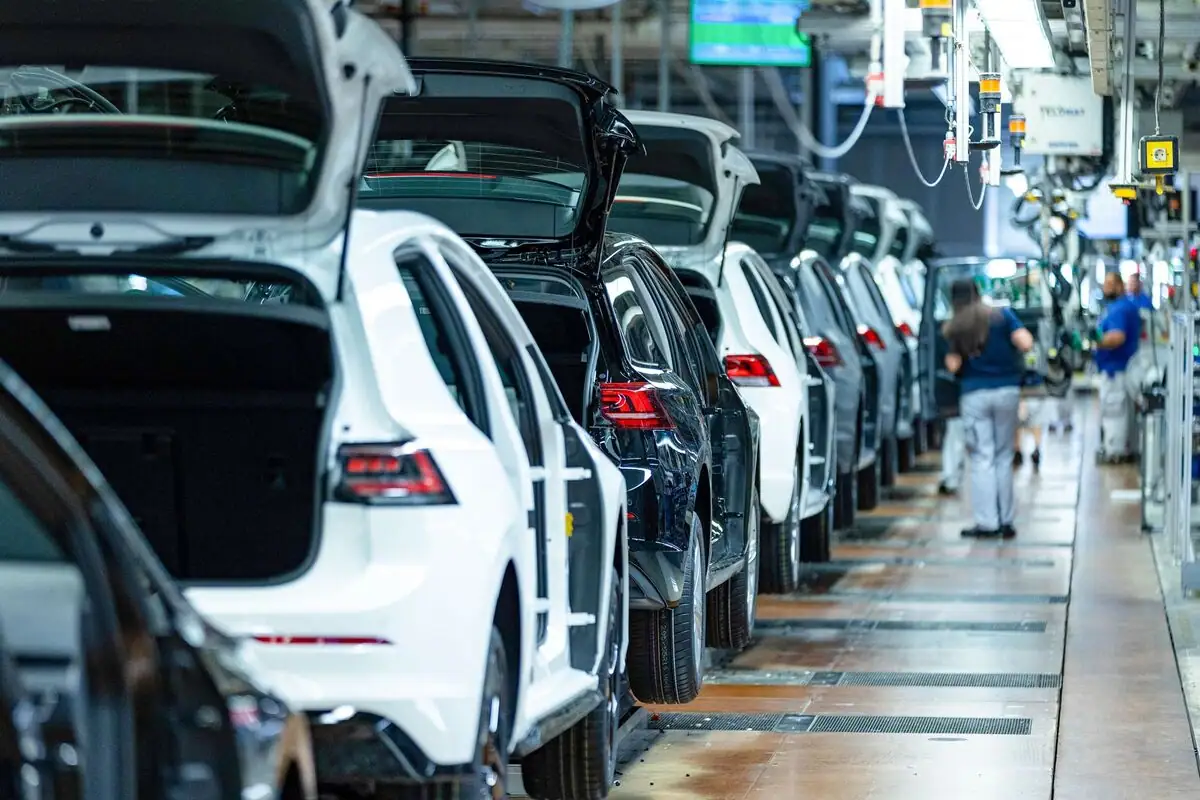


In response to a changing automotive landscape marked by a sluggish market and shifting consumer demands, Volkswagen AG is intensifying its efforts to streamline operations and cut costs. The company is implementing measures such as reducing capacity at high-cost plants in Germany and focusing on overhead cost reductions to achieve a 20% savings target by 2026.
As competition in the auto industry intensifies, Volkswagen is doubling down on productivity measures and seeking greater synergies within the group to enhance its competitive position. The company's recent financial results indicate a decline in operating margins, partly attributed to restructuring charges and lower deliveries in China. To address this, Volkswagen is enacting strategic changes, including halting new hires and enhancing productivity at its production facilities.
CEO Oliver Blume emphasized the importance of these cost-saving initiatives, noting that performance programs are beginning to yield results. Production cutbacks have been implemented at various German factories, with plans to reduce overall capacity in Europe by 10% to align with demand levels.
While Volkswagen faces challenges in meeting tighter EU emissions regulations and boosting electric vehicle (EV) sales, the company remains optimistic about its future prospects. The recent partnership with Rivian Automotive Inc. and investments in EV technology signal Volkswagen's commitment to advancing its electric vehicle offerings and reducing production costs.
Despite facing headwinds in the Chinese market and global EV demand, Volkswagen is navigating these challenges with a strategic approach that includes adapting battery-making plans and exploring new partnerships. By staying agile and focusing on efficiency, Volkswagen aims to navigate the evolving automotive landscape and emerge stronger in the future.