


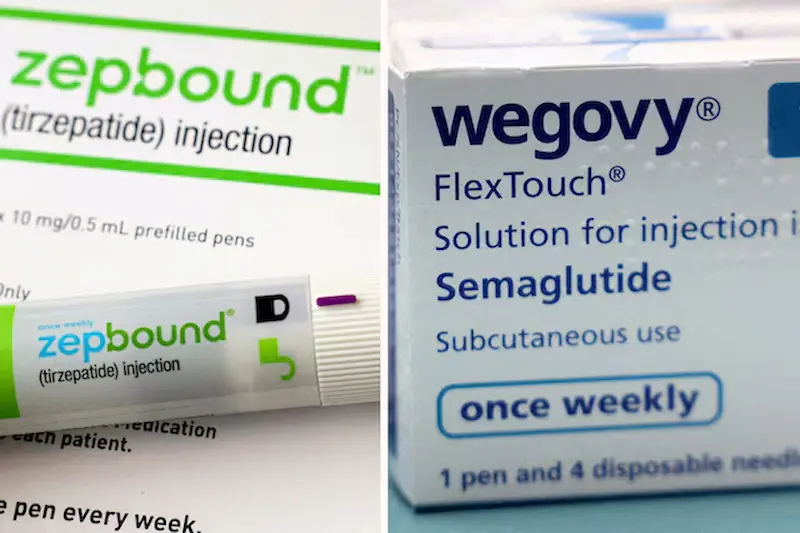


Amidst a fierce competition between Eli Lilly's Zepbound and Novo Nordisk's Wegovy in the weight-loss drug market, supply constraints have become a determining factor in which medication patients can access. As Lilly secures a significant market share in the U.S. with Zepbound, physicians are opting to prescribe the drug that is more readily available at pharmacies. Despite Zepbound demonstrating slightly higher weight loss results in clinical trials, both companies are struggling to meet the unprecedented demand for their weekly injection treatments.
Doctors specializing in obesity are navigating the supply issues by prescribing either Zepbound or Wegovy based on availability, even if it means patients must switch between medications to ensure continuous treatment. With Lilly and Novo facing challenges in meeting supply demands, investors are keenly awaiting updates on manufacturing capabilities from both companies as they prepare to report quarterly results.
While Lilly's CEO anticipates an imminent end to the shortage of Zepbound, Novo acknowledges that the demand for Wegovy will continue to surpass supply. The U.S. market remains the most lucrative opportunity for both companies, with projections indicating a potential $150 billion market for weight-loss drugs by the early 2030s.
As Novo and Lilly expand their manufacturing capacity and strive to overcome supply obstacles, analysts predict a potential 50-50 split in the U.S. market share by the end of 2024. However, a shift may occur if one company can address supply challenges more effectively or introduce more advanced formulations, such as a pill alternative to injections. Amid patient preferences for Zepbound over Wegovy for perceived effectiveness, the reality of limited supply forces individuals to prioritize availability over specific drug efficacy claims.
In this dynamic landscape of weight-loss drug competition, the delicate balance between demand and supply dictates the strategic positioning of Eli Lilly and Novo Nordisk as they race to capture a significant share of the burgeoning market.