


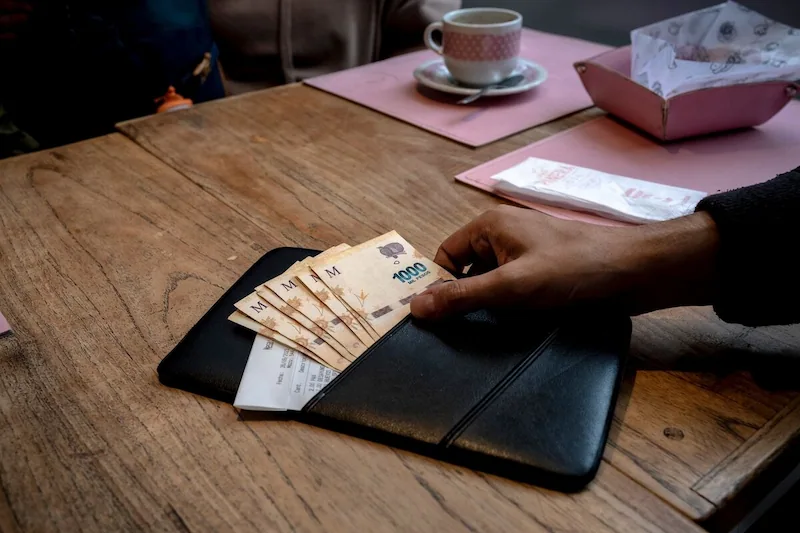


In Buenos Aires, the timeless charm of Parisian architecture and cobblestone streets has long been intertwined with the traditional use of cash, especially when it comes to gratuities at restaurants and bars. However, a significant shift is underway as digital tipping gains momentum in Argentina, propelled by the rise of financial technology and a push for economic reform.
Leading the charge is MercadoLibre Inc.’s payment platform, Mercado Pago, which has introduced a new feature in its app specifically dedicated to tipping. This innovation reflects the increasing integration of fintech solutions in a country where cash has long reigned supreme. The move is not only a response to customer demand but also a reflection of the evolving payment landscape in Argentina, where digital transactions are steadily on the rise.
President Javier Milei's proposed legislation to formalize tipping via credit and debit cards further underscores this transition, marking a pivotal moment in the country’s shift towards a more digital economy. Alongside these developments, efforts to modernize public transport payment systems with QR codes and cards are also underway, signaling a broader move towards digitalization in daily transactions.
While the popularity of US dollars remains strong in Argentina, the decline of peso banknotes is palpable, particularly in the retail sector where cash payments have significantly decreased. The convenience and benefits of digital payments, such as installment plans without interest, have fueled this shift, encouraging more Argentines to embrace electronic transactions.
For individuals like Pedro Filippini, a barista in Buenos Aires, digital tipping offers a more generous alternative to traditional cash gratuities. While he acknowledges the importance of cash in a country where access to digital services can still be limited for some, he sees the distinct advantages that platforms like Mercado Pago bring to both consumers and service providers.
As Argentina navigates this digital transformation in its payment culture, the coexistence of cash and digital options highlights a shifting paradigm where convenience, efficiency, and financial inclusion are becoming ever more prominent factors in everyday transactions.