




After weeks of negotiations and disagreements over limited funds, Germany's ruling coalition has managed to reach a final agreement on the draft budget for the year 2025. Chancellor Olaf Scholz, along with Finance Minister Christian Lindner and Economy Minister Robert Habeck, faced challenges in finding a way to close a funding gap of around €5 billion.
The initial draft budget, approved last month, raised concerns about potential breaches of Germany's constitutional borrowing rules, sparking further debates among the coalition partners. This led to intense discussions and compromises to address the financial discrepancies, including planned loans to state-operated entities and the reallocation of funds to cope with rising energy costs following Ukraine's conflict with Russia.
Finance Minister Lindner acknowledged the arduous nature of the negotiations, stating, "There’s no need to duck away or give the wrong impression: It was extremely difficult." Despite the challenges, the coalition managed to agree on adjustments to bridge the financing gap, with hopes that the shortfall will reduce as projected growth updates and lower-than-expected fund outflows come into play.
The revised budget, which includes a net new borrowing of €51.5 billion, remains within the constitutional limit, ensuring compliance with Germany's debt brake regulations. The completion of the budget draft brings temporary respite from public disagreements among the ruling parties, which had raised concerns about the government's stability.
While the coalition parties have experienced a decline in public support according to recent polls, the agreement on the budget signals a united front in addressing financial challenges. Finance Minister Lindner's insistence on reinstating the debt brake mechanism reflects a commitment to fiscal responsibility, despite criticisms regarding its limitations in addressing pressing national needs.
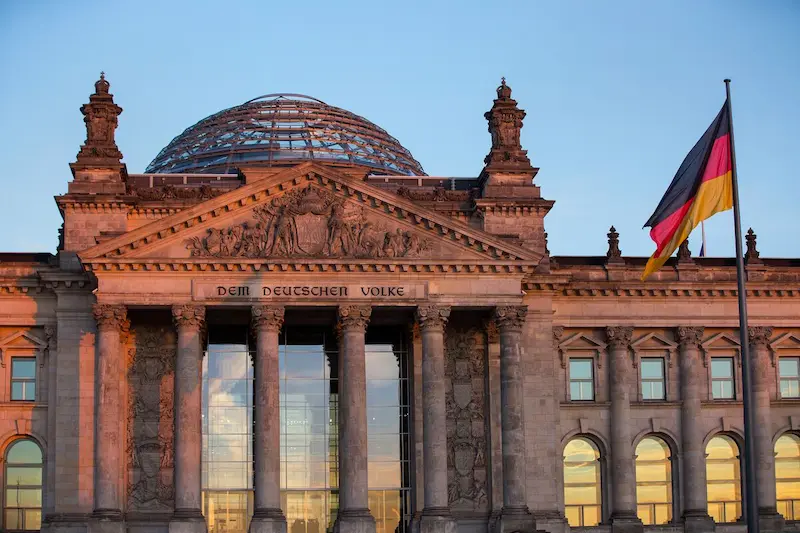
With the budget draft set for consultations in the German Bundestag, the focus now shifts to securing approval in both the lower and upper houses of parliament by the end of the year. The successful resolution of the budget negotiations underscores the coalition's ability to navigate complex financial issues and work towards sustainable economic growth and stability in Germany.