




In a recent study published in The Lancet by the Barcelona Institute for Global Health, researchers delved into the intricate dynamics shaping the urban landscape of European cities. The findings revealed a multifaceted relationship between population density, environmental sustainability, and public health, shedding light on the challenges faced by densely populated urban centers across the continent.
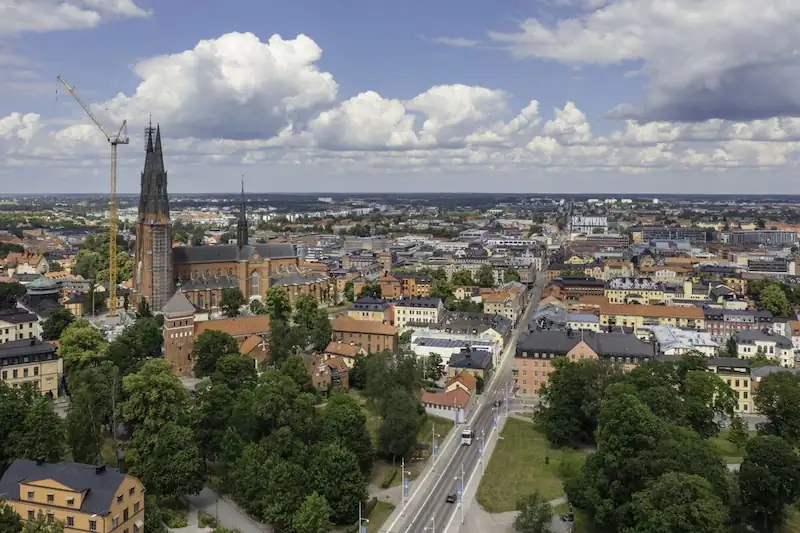
The study categorized over 900 European cities based on population density and green space availability, highlighting the contrasting impacts on carbon emissions and public health. While dense cities exhibited lower per capita carbon emissions, they also grappled with elevated levels of air pollution, higher mortality rates, and exacerbated heat island effects. Conversely, sparsely populated and green cities, such as Uppsala, Sweden, faired better in health outcomes but emitted higher levels of carbon dioxide due to single-family homes and car-dependent lifestyles.
The research underscored the need for a delicate balance between density, sustainability, and livability in urban planning. While compact cities offer environmental benefits, they also pose health risks that necessitate targeted interventions like car-free zones and green space initiatives. The study emphasized the importance of finding the "Goldilocks zone" of density, where amenities are within reach, yet natural light and greenery abound.
Cities like Barcelona are spearheading innovative projects like "superblocks," transforming congested streets into car-free havens that enhance air quality and community well-being. However, the challenge lies in ensuring that such initiatives do not inadvertently trigger gentrification or displacement, underscoring the need for comprehensive, city-wide strategies.
As European cities navigate this intricate interplay between density, health, and sustainability, the study serves as a clarion call for integrated planning approaches that maximize the positives of compact urban living while mitigating its drawbacks. By striking a harmonious balance between environmental stewardship, public health, and community well-being, cities can pave the way towards a more livable and sustainable urban future.