


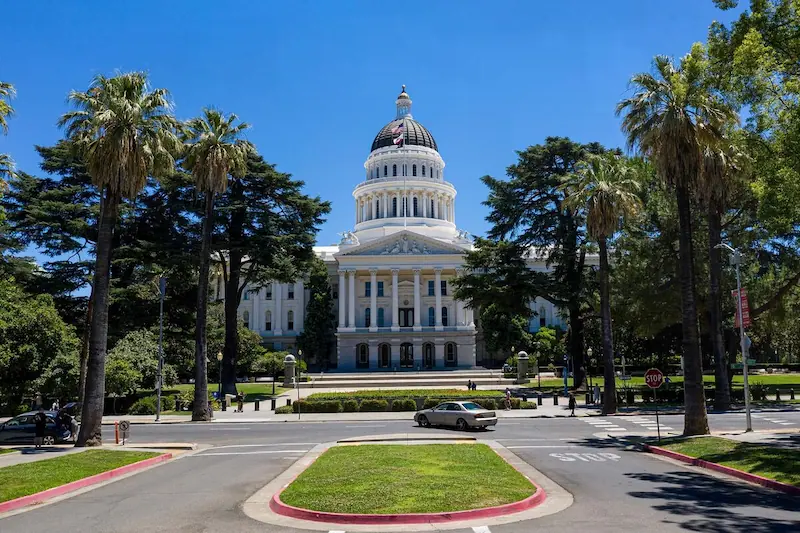


In a groundbreaking move, California lawmakers have passed a bill mandating a formal apology for the enduring impacts of slavery, a system that persisted in the state post-1850 despite being technically illegal. The bill requires the signing and display of a plaque in the state capitol, expressing remorse for perpetuating the historical injustices faced by African Americans through racial prejudice, segregation, and unequal distribution of resources. This gesture aims to acknowledge the harms inflicted and commit to ensuring they are not repeated.
The measure, part of a series of proposals by the California Legislative Black Caucus, stems from a 2023 report on reparations for slavery's effects. Highlighting discriminatory laws, property seizures, and ongoing disparities in wealth, education, and health faced by Black Californians, the report emphasizes the need for meaningful action to address these long-standing inequalities.
While the formal apology is a crucial step, it is just one element of a larger reparations package being considered. Other bills focus on establishing a state agency to assist in documenting racially motivated property seizures, funding healthcare and job training in Black communities, and implementing criminal justice reforms. Assemblymember Lori Wilson, chair of the Black caucus, underscores the importance of repairing the damage inflicted by slavery and discrimination, emphasizing that the road to justice requires persistent effort and education.
Notably, there are no immediate plans for cash payments to descendants of enslaved individuals, reflecting public sentiment and budget constraints. Governor Gavin Newsom, who initially supported the reparations task force, faces the challenge of balancing political considerations with the state's financial limitations, having recently negotiated a budget to address a sizable deficit.
Reparations advocates stress the need for incremental progress, starting with measures of low fiscal impact to lay the groundwork for more substantial actions in the future. As California confronts the legacy of slavery and strives for equity, the journey towards reparations continues, guided by a commitment to comprehensive and meaningful redress for historical injustices.