


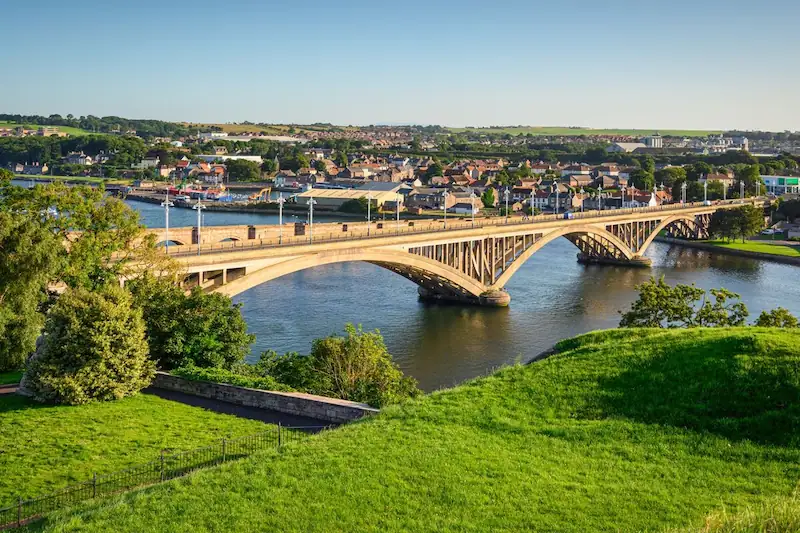


In a contrasting journey across the iconic Royal Border Bridge, the shift in tax obligations from Scotland to England becomes starkly apparent. With Scottish residents facing higher income tax thresholds and rates, the looming prospect of further taxation burdens weighs heavily on those in the upper income brackets. As the UK government looks to balance its finances, the Scottish National Party must navigate the delicate balance of fostering economic growth while potentially facing reduced financial support from Westminster.
The inherent dilemma lies in the SNP's challenge to extract more taxes from high earners without triggering an exodus that could significantly dent revenue streams for Holyrood, ultimately impacting the Scottish economy. As the GBP 40 billion annual payments from Westminster to Edinburgh hang in the balance, the delicate dance between taxation and incentivizing economic prosperity becomes more critical than ever.
The decentralized nature of taxation policies in Scotland, with the Scottish Parliament holding full control over income tax rates since 2017, has led to a complex landscape where residents enjoy certain benefits like free medical prescriptions and no university tuition fees in exchange for higher tax burdens. However, the potential for tax increases on high earners poses the risk of prompting a potential migration southward, where tax rates are comparatively lower.
The precarious balance of identity, fiscal policy, and economic sustainability becomes ever more tenuous as the prospect of tax hikes looms over Scotland's affluent residents. With financial advisors in Scotland increasingly focusing on tax mitigation strategies and the recruitment industry grappling with the implications of higher taxes on talent acquisition, the ripple effects of taxation policies extend far beyond mere fiscal realms.
The impending budget announcements from Chancellor Rachel Reeves are poised to set the tone for the tax landscape across the UK, further complicating the decision-making calculus for Scottish residents contemplating their financial future. As debates around wealth distribution, taxation, and the potential migration of high earners continue to permeate the Scottish political and economic discourse, the fate of the borderland towns and the broader Scottish economy hangs in the balance.