


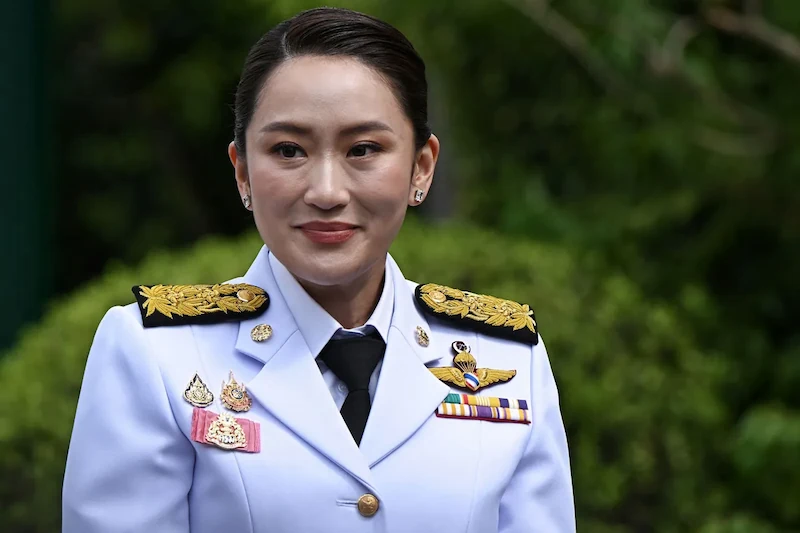


In a historic ceremony at the royal palace in Bangkok, Thailand's youngest ever Prime Minister, Paetongtarn Shinawatra, along with her cabinet members, took the oath of allegiance before King Maha Vajiralongkorn. This marked the culmination of a turbulent period of political upheaval in the country. Paetongtarn, the daughter of former leader Thaksin Shinawatra, stepped into office after the dismissal of former premier Srettha Thavisin due to an ethics violation case.
Facing a sluggish economy burdened by high household debt and living costs, Prime Minister Paetongtarn has unveiled plans to jump-start the economy with a $14 billion cash handout program. This initiative, known as the digital wallet program, aims to inject much-needed stimulus, with the goal of achieving 5% economic growth, a significant increase from the previous sub-2% rates experienced under military-backed rule.
However, Paetongtarn's challenges extend beyond economic revival. She must navigate a diverse coalition of conservative and pro-royalist parties while demonstrating her ability to attract foreign investment, particularly in high-tech industries. The delicate balance of maintaining political stability while driving economic growth will be crucial for Thailand's future prosperity.
Despite these hurdles, Thailand's financial markets have responded positively to the resolution of the political turmoil. The SET Index has surged by 11% since Paetongtarn's nomination, and the baht has strengthened, reflecting investor confidence in the new administration. As Paetongtarn prepares to present her policy statement to parliament, all eyes are on her to deliver on her promises and lead Thailand towards a brighter, more stable future.