


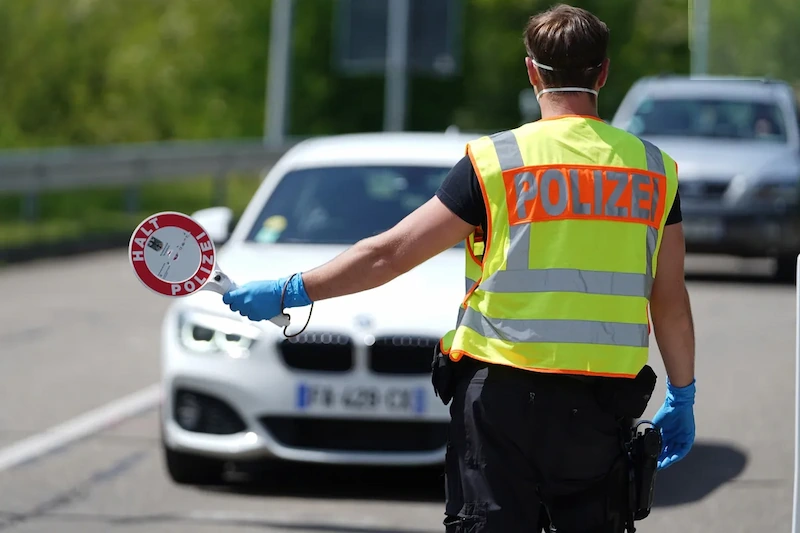


In response to growing concerns over irregular immigration and domestic security, Chancellor Olaf Scholz’s ruling coalition has taken the decision to expand temporary frontier controls to all nine of Germany’s land borders. The extension, set to last for six months starting from September 16, will include Denmark, the Netherlands, Belgium, France, and Luxembourg in addition to the existing controls on borders with Poland, the Czech Republic, Switzerland, and Austria.
Interior Minister Nancy Faeser emphasized that the primary goal of the extended controls is to safeguard against the threats posed by Islamist terror and serious cross-border crime. The measures will grant police the authority to conduct both stationary and mobile checks, as well as the ability to deny entry to individuals, provided such actions comply with European and German regulations.
The government's decision comes amidst a backdrop of heightened public discontent with current immigration and asylum policies, as demonstrated by the significant electoral success of extreme right and left-wing parties in recent regional elections. Parties like the far-right Alternative for Germany (AfD) and the left-wing Alliance Sahra Wagenknecht have garnered notable support, challenging Scholz’s coalition of Social Democrats and Greens.
The tragic knife attack in Solingen, allegedly perpetrated by a Syrian man with a history of a failed asylum application, further fueled the immigration debate and prompted calls for stricter enforcement measures. Scholz and his government have responded with promises to expedite the deportation of rejected asylum seekers and tighten regulations regarding weapons possession.
As the German political landscape becomes increasingly polarized, the need for a coherent immigration policy has become a focal point of discussions. With support for Scholz’s coalition declining and opposition parties gaining ground, the upcoming regional election in Brandenburg will serve as a litmus test for public sentiment on immigration issues. In light of these developments, Faeser has scheduled talks with conservative lawmakers to address the evolving challenges posed by immigration in Germany.