


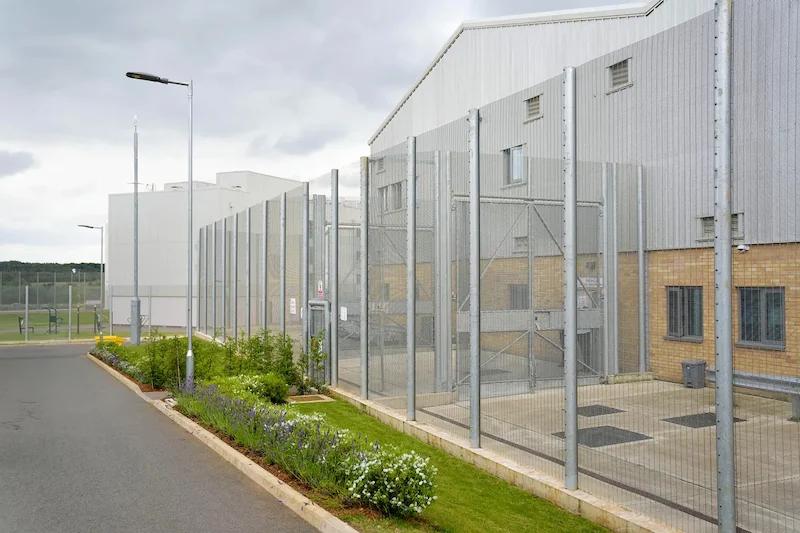


In the outskirts of Wellingborough lies HMP Five Wells, a beacon of innovative reform in Britain's antiquated prison system. Launched in 2022, this state-of-the-art facility was envisioned as a prototype for future "smart" prisons, offering a fresh approach to rehabilitation for its 1,694 residents. Unlike traditional cells, the rooms here boast individual showers and secure windows, hinting at a more humane environment.
The appointment of James Timpson as the new prisons minister under Prime Minister Keir Starmer's administration signaled a shift towards a more progressive stance on incarceration. With a background in fostering ex-offender employment at Timpson Ltd, Timpson advocates for fewer incarcerations, shorter sentences, and enhanced mental health support for offenders. His vision aligns with the rehabilitative ethos of Five Wells, endorsed by Justice Secretary Shabana Mahmood.
However, the reality at Five Wells paints a challenging picture. Despite its grand vision, the prison faces issues with drugs, staff turnover, and educational deficiencies, drawing criticism for its shortcomings. The recent riots across the country further strained the justice system, prompting emergency measures for early prisoner releases to alleviate overcrowding.
The financial constraints looming over the government, compounded by a £22 billion deficit, hinder efforts to address the mounting crisis. While plans for a £4 billion prison construction program were initiated under the previous government, the funds remain insufficient to tackle the overarching challenges facing the penal system.
Timpson's appointment raised hopes for a transformative shift in policy, given his advocacy for reformation and prisoner reintegration. Yet, the complexities at Five Wells underscore the multifaceted nature of the crisis, highlighting the urgent need for not just modern facilities but also skilled personnel and effective rehabilitation programs.
As the debate on sentencing and incarceration intensifies, with public opinions leaning towards harsher penalties, the delicate balance between reform and public perception becomes increasingly precarious. The deep-rooted issues within the UK's justice system demand a nuanced and comprehensive approach, one that addresses systemic shortcomings while navigating the political tightrope of public opinion and fiscal restraint.