


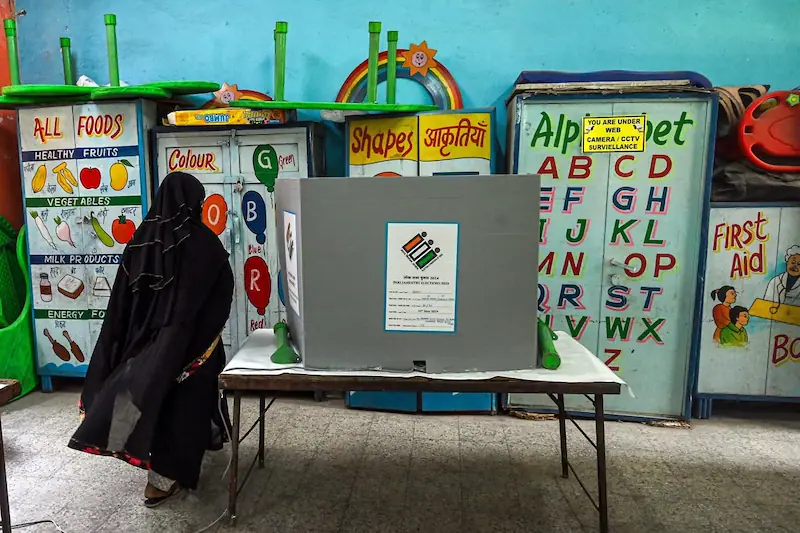


In a landmark decision, the federal cabinet of India has officially endorsed the 'One Nation, One Election' proposal put forth by a government-appointed committee. This policy, advocated by Prime Minister Narendra Modi, aims to synchronize national and state elections to streamline the electoral process and reduce costs. However, the practical implementation of this policy is a complex process that requires significant legal and parliamentary changes.
The cabinet's approval marks the initial step towards making this proposal a reality. The strategy, spearheaded by a committee chaired by former President Ram Nath Kovind, suggests conducting simultaneous elections at both national and state levels to ensure continuity in governance. Presently, India's electoral landscape is fragmented with staggered elections occurring frequently at various levels of government.
Under the proposed plan, elections would be divided into two phases - national and state elections followed by local body elections. While proponents argue that this approach would enhance governance efficiency and save resources, critics have raised concerns about the potential for the central government to exert undue influence over state politics.
Implementing this policy would entail amending the constitution, a formidable task given the opposition's resistance to the proposal. Critics fear that consolidating elections could undermine the principles of federalism by centralizing power in the hands of the national government. The BJP, led by Modi, currently governs through coalition partnerships and faces a robust opposition in parliament.
The debate surrounding 'One Nation, One Election' reflects a larger discourse on the balance of power between the central and state governments in India. As the government navigates the complexities of constitutional amendments and political opposition, the fate of this ambitious electoral reform remains uncertain.