


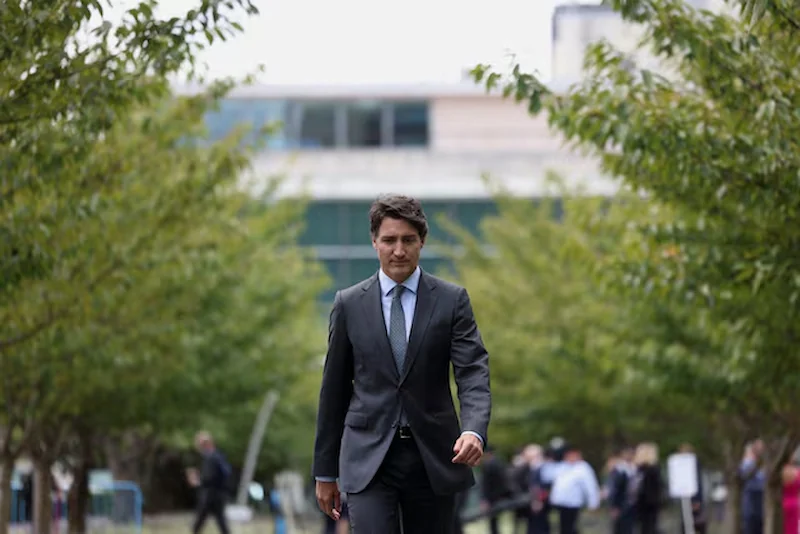


In a closely watched political showdown, Canadian Prime Minister Justin Trudeau appears poised to weather a vote of confidence on Wednesday, defying the opposition's bid to topple his nine-year Liberal Party rule. The stakes are high as legislators in the House of Commons prepare to cast their ballots on a motion put forth by the Conservative party, signaling a lack of faith in Trudeau's minority government.
Trudeau, who has faced a downturn in public approval following discontent over soaring prices and a housing crisis, found himself in a precarious position when the New Democratic Party abandoned a pact to support his administration until the next election in 2025. This move left Trudeau dependent on securing the backing of other parties to remain in power.
The Conservative leader, Pierre Poilievre, has seized on this moment, calling for an election at the earliest opportunity, citing concerns over the planned increase in the federal carbon tax, rising government expenditures, and crime rates during Trudeau's tenure. However, Trudeau has countered these accusations by accusing the Conservatives of prioritizing political gamesmanship over addressing the needs of the Canadian populace.
Despite the Conservatives' push for change, both the Bloc Quebecois and the NDP have made it clear that they will not align with Poilievre's motion. The Bloc Quebecois has signaled its support for Trudeau in exchange for legislation enhancing benefits for seniors, while the NDP, despite initiating the current political turmoil, has declined to join the effort to oust Trudeau.
Trudeau remains resolute in the face of waning poll numbers, attributing the discontent to the challenges of everyday life that Canadians are grappling with. As he navigates through this critical juncture in his leadership, Trudeau remains committed to steering the country towards a future that resonates with the aspirations of its citizens.