


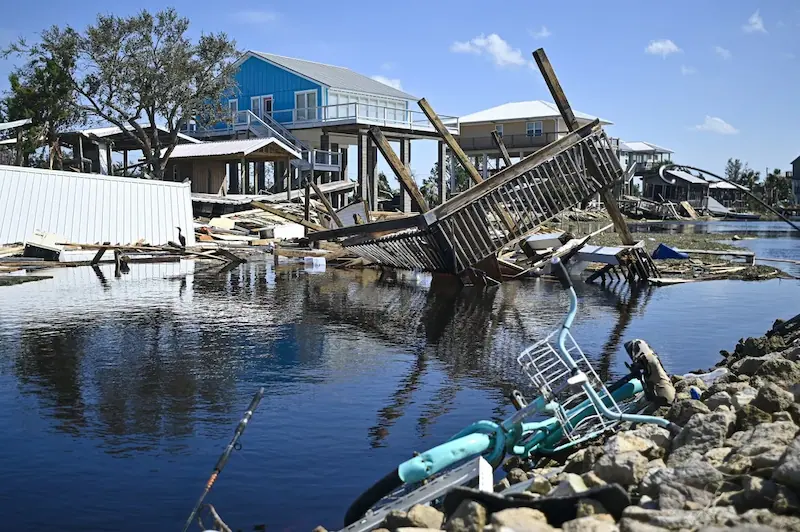


Hurricane Helene's recent rampage through the US South has left a trail of devastation and raised important questions about the impact of climate change on extreme weather events. The storm, which originated from the Central American gyre, grew to unprecedented size and unleashed catastrophic flooding across six states, claiming more than 100 lives.
One of the key factors contributing to Helene's destructive power was the warm ocean temperatures, a direct consequence of climate change. These elevated temperatures allowed the storm to absorb more moisture, resulting in torrential rainfall that inundated cities far from the coast. The sheer size of Helene, with winds extending over 310 miles at landfall, made it a multifaceted threat, combining strong winds, storm surges, and unprecedented rainfall.
The evolving nature of hurricanes in a warming world presents challenges for forecasters like John Cangialosi, a senior hurricane specialist. With hurricanes becoming more frequent and intense, the traditional understanding of storm behavior is no longer sufficient. People's past experiences with storms may not accurately reflect the current reality, making it crucial for communities to adapt to the changing dynamics of these natural disasters.
It is clear that the impacts of climate change are reshaping the landscape of hurricane preparedness and response. As hurricanes continue to grow in size and strength, it is imperative for both officials and the public to reevaluate their strategies for dealing with these increasingly dangerous storms. The lessons learned from Hurricane Helene serve as a stark reminder of the urgent need to address the growing threat of extreme weather in a rapidly changing climate.