


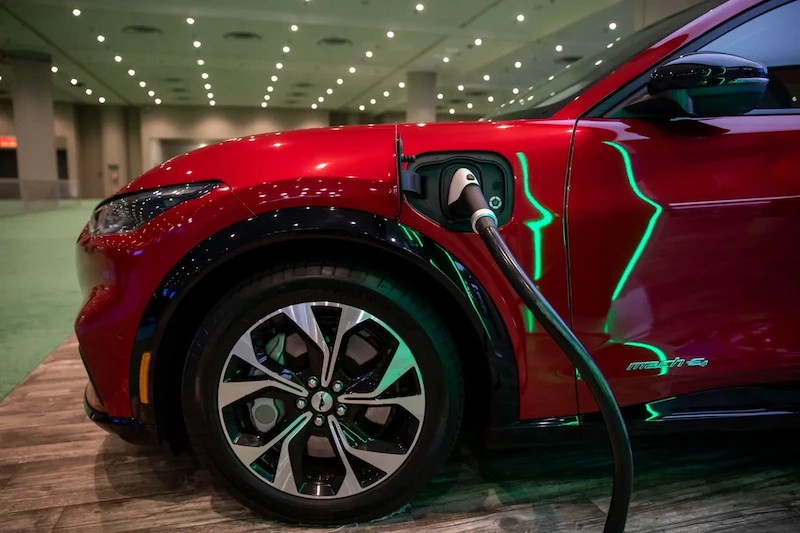


In an innovative move to boost sales and alleviate range anxiety among mainstream car shoppers, Ford Motor Co. has announced a limited-time offer of free home chargers and installation for buyers of its electric vehicles. The program, set to kick off on Tuesday and run until the end of the year, applies to Ford's three electric models - the Mustang Mach-E, F-150 Lightning pickup truck, and E-Transit cargo van.
According to Ford officials, this incentive program aims to address consumers' apprehensions about running out of battery while on the road. Research shows that electric vehicles are primarily charged at home, emphasizing the importance of having a convenient charging solution in residential spaces. By providing chargers to be installed in buyers' garages and driveways, Ford hopes to shift the perception of EV charging to a more seamless and routine process akin to charging a smartphone overnight.
Under this initiative, individuals purchasing or leasing a Ford electric vehicle during the promotional period will receive a $1,310 home charger along with complimentary installation, a cost-saving benefit that can exceed $1,000. For those unable to install a home charger due to living circumstances, such as apartment residents, Ford is offering a $2,000 cash incentive through its dealership network.
While Ford's electric vehicle sales for 2024 have shown a 58% increase through August compared to the previous year, they constitute only 4.4% of the company's overall U.S. revenue. Initially aiming for half of its sales to come from battery-powered vehicles by the end of the decade, CEO Jim Farley has since adjusted this goal following slower growth in the EV market. To counter these challenges, Ford has implemented production cuts, price adjustments, and the reshuffling of new EV models to address the changing landscape of the industry.
Facing stiff competition from low-cost Chinese electric vehicles, Ford anticipates potential losses of up to $5.5 billion in its EV business this year and is moving swiftly to develop affordable plug-in models that can rival their foreign counterparts. With this strategic move towards providing home charging solutions, Ford aims to position itself as a frontrunner in the electric vehicle market and drive greater adoption of sustainable transportation options among consumers.