


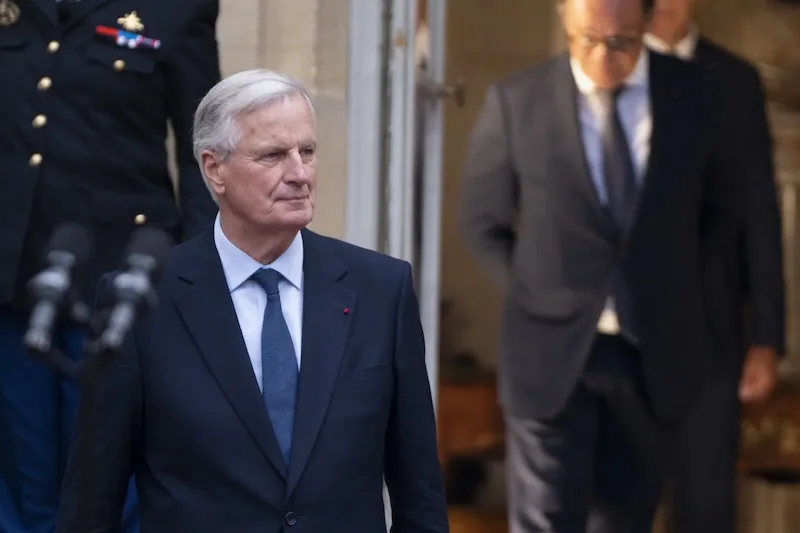


In a tumultuous political landscape, French Prime Minister Michel Barnier will be put to the test next week as the leftist opposition initiates a no-confidence motion in parliament. The motion, signed by 192 lawmakers from the New Popular Front, highlights the perceived discrepancy between the government's composition and policies and the outcomes of the recent legislative elections. However, the motion is unlikely to succeed in ousting Barnier's fragile government, as Marine Le Pen's National Rally has stated it will not support the measure.
Amidst swirling political tensions, a sense of disunity within the opposition camp is evident. National Rally lawmaker Laure Lavalette emphasized on a televised program that the current situation is weighty enough to warrant caution in seeking to destabilize the government prematurely. Despite the left-leaning alliance's fervor to confront the government, Le Pen's party aims to avoid contributing to further chaos.
Barnier finds himself in a precarious position, lacking the parliamentary support to easily quell challenges to his leadership. As he gears up to present the 2025 budget to the cabinet and parliament on Oct. 10, the Prime Minister aims to navigate choppy waters. The budget proposal, featuring approximately €60 billion in spending reductions and tax increases, is designed to address a ballooning deficit and restore faith among investors in the nation's economic stability.
As the no-confidence vote looms and political dynamics continue to evolve, France remains at a critical juncture, with the Prime Minister's tenure hanging in the balance amidst a backdrop of discordant opposition and pressing economic challenges.