


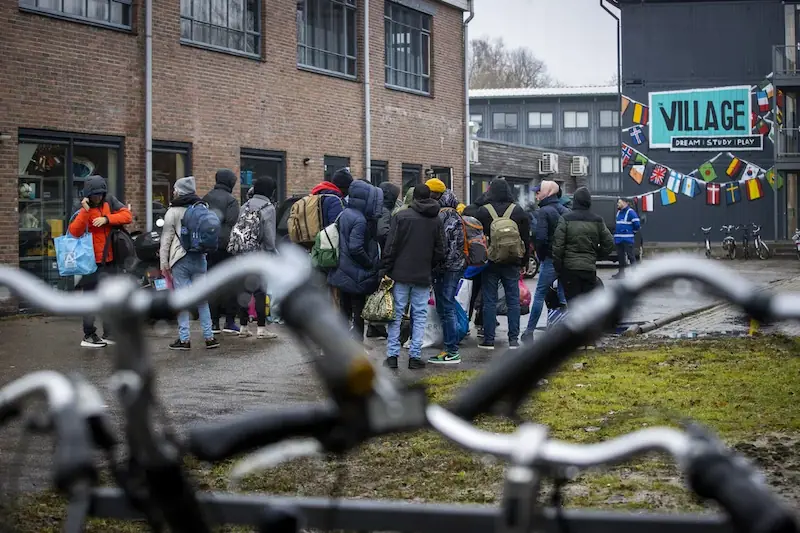


In a move to curb the influx of immigrants, the Dutch government is exploring the possibility of deporting rejected African asylum seekers to Uganda. Dutch Prime Minister Dick Schoof discussed the need for innovative solutions during a summit in Brussels with EU leaders. Schoof highlighted the idea of sending failed asylum seekers back to a hub in Uganda, from where they could eventually return to their country of origin.
This proposal aligns with the Netherlands' commitment to implementing its strictest-ever migration policies under the new right-wing cabinet. The government is considering introducing an asylum crisis law, which could involve freezing decisions on asylum applications and forcibly deporting individuals without a residence permit.
The European Union is also examining ways to enhance its migration policies, with European Commission President Ursula von der Leyen suggesting the establishment of "return hubs" in non-EU countries. These hubs would provide temporary accommodation for migrants while their asylum applications are processed. Recently, Italy sent its first group of migrants to Albania as part of an agreement to host asylum seekers.
The discussions around deporting rejected asylum seekers to Uganda and setting up return hubs signal a shift in EU migration strategies. As countries like Germany extend border checks and Poland tightens asylum rights to reduce undocumented migration, the focus is increasingly on finding creative solutions to manage the influx of immigrants. Far-right politician Geert Wilders emphasized the necessity of addressing the high number of immigrants, prompting governments to explore unconventional measures to tackle the current challenges.