


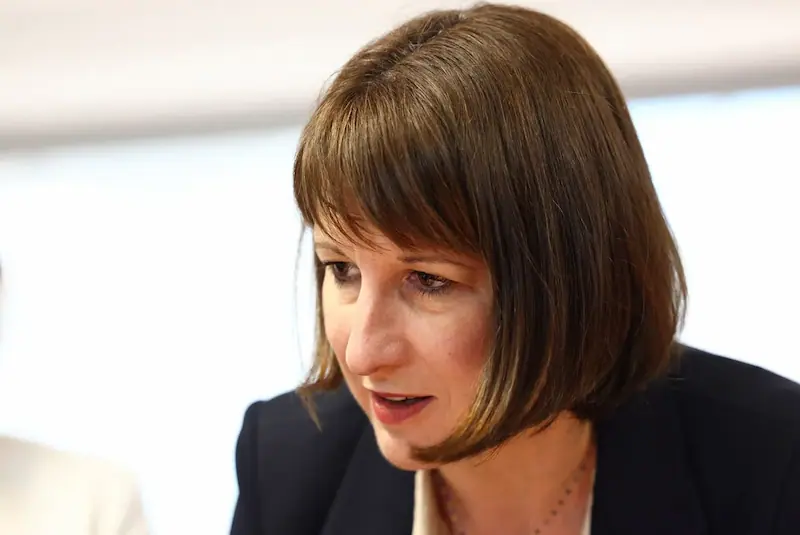


In a strategic move to bolster Britain's economy, Chancellor of the Exchequer Rachel Reeves is contemplating adjustments to capital gains taxes on entrepreneurs as part of a larger plan to generate up to £40 billion in revenue. Among the proposed changes is a potential cut to the business asset disposal relief, which currently allows entrepreneurs to pay a reduced 10% tax on profits from selling their businesses instead of the standard 20% rate for higher earners.
While specifics of the budget announcement set for October 30 remain fluid, insiders have indicated that revisions to various capital gains tax reliefs—including those related to charitable gifts, investments, and property—are being deliberated. Reeves, constrained by her commitment not to increase broader levies, is exploring avenues to bridge the budgetary gap left by the previous government, boost public spending, and ensure tax revenue covers day-to-day expenditures.
Capital gains tax rates in the UK currently range from 10% to 28%, prompting speculation on potential alignment with income tax levels, which stand between 20% and 45%. Despite rumors suggesting a hike to 39%, Prime Minister Keir Starmer dismissed these claims in a recent interview. The possible alteration to business asset disposal relief, formerly known as entrepreneurs' relief, could signify a departure from policies introduced over a decade ago by ex-Labour Chancellor Alistair Darling.
Notable figures in tax compliance, such as Edward Troup, have advocated for the elimination of entrepreneurs' relief, citing its limited impact on fostering new entrepreneurial endeavors. The relief, which cost the Treasury around £1.5 billion in the last tax year, has come under scrutiny as part of a broader effort to revamp the UK's tax framework and ensure a more equitable distribution of financial burdens.