


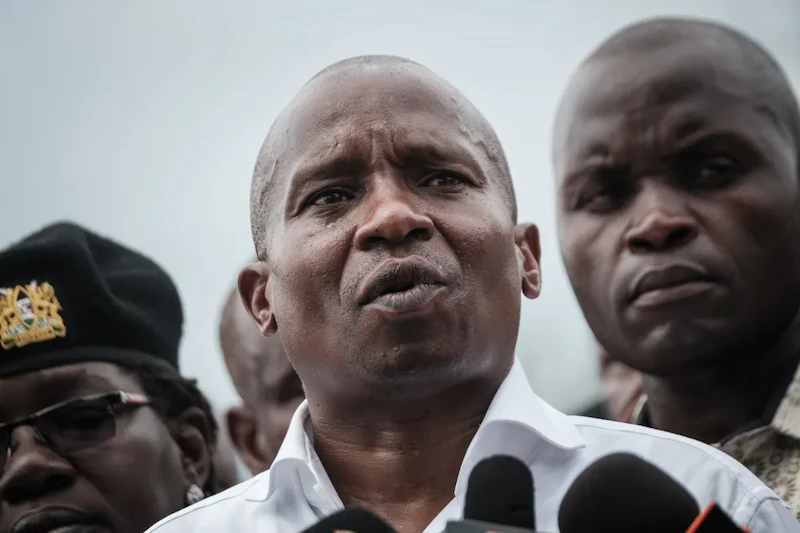


In a surprising turn of events, Kenya's High Court has intervened to suspend the parliamentary resolution to impeach Deputy President Rigathi Gachagua and put a stop to the process of replacing him. The National Assembly's approval of President William Ruto's choice for a successor, Kithure Kindiki, has been put on hold until at least October 24th.
The Senate's decision to impeach Gachagua, based on allegations of inciting ethnic hatred and undermining the judiciary, was met with denial and a legal challenge. Now, a bench of judges appointed by the chief justice will review the legality of Gachagua's removal, casting uncertainty over the political landscape.
This ruling presents a setback for Ruto's administration at a critical juncture, as it seeks to restore stability following deadly protests earlier this year. Additionally, the government's efforts to address soaring debt and a substantial budget deficit face further complications.
Kindiki's nomination, which enjoyed unanimous support from lawmakers, was seen as a move to consolidate Ruto's power. However, with the appointment now in limbo, the deputy president's authority is called into question. Gachagua, who previously played a key role in Ruto's electoral success, now stands at the center of a political storm within the ruling coalition.
As a trusted ally of Ruto, Kindiki's potential role as deputy would have solidified the president's position. His background as a law professor and involvement in Ruto's ICC case underscore the depth of their relationship. However, with the High Court's intervention, the future of Kenya's deputy presidency remains uncertain, signaling potential shifts in the country's political landscape.