




Five years ago, the European Union introduced its ambitious Green Deal, aiming to lead the way in sustainable growth and environmental protection. However, what was once hailed as a beacon of progress is now facing challenges from within as right-wing sentiments gain strength across European politics.
The heart of the opposition lies in resistance to the Green Deal's policies on transport and heating, which directly impact the daily lives of the bloc's 450 million residents. With a shift towards prioritizing industry and concerns for vulnerable households, some member states and the auto industry are pushing for changes that could render the EU's emissions targets unattainable, potentially jeopardizing its global standing.
As the EU confronts the escalating climate crisis, the need for realignment to ensure both environmental targets and economic sustainability has become evident. While European Commission President Ursula von der Leyen remains committed to achieving climate neutrality by 2050, there are calls for adjustments to support industry and citizens, reflected in recent policy amendments and delays.
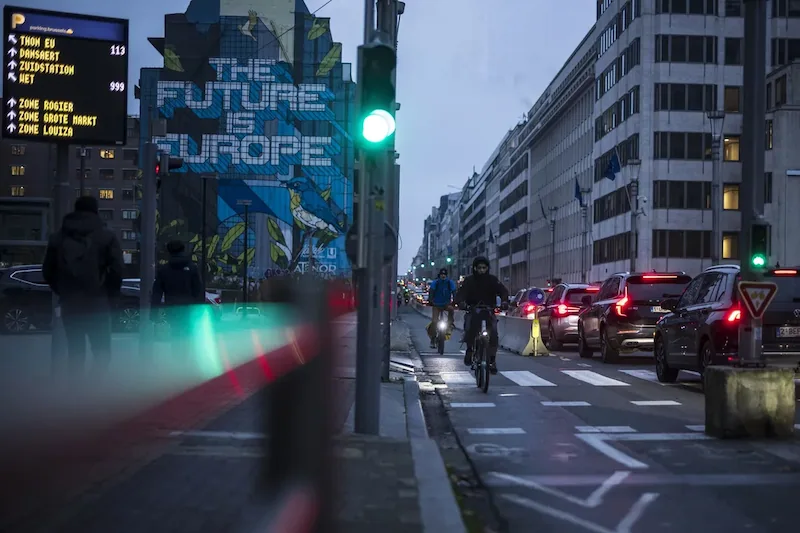
In cities like Brussels, where diesel phaseouts were reversed due to pressure from vehicle owners, the impact of green policies on individuals is becoming increasingly apparent. Countries like Poland, Slovakia, and the Czech Republic are also pushing back on agreed measures, setting the stage for potential conflicts with EU mandates as critical deadlines loom.
Beyond meeting emission reduction goals, Europe's ability to compete in the global clean technology race hangs in the balance. Any wavering on green reforms risks unraveling the interconnected web of policies needed for a sustainable future, potentially undermining investor confidence and credibility.
Crucially, as the EU transitions to consumer-facing carbon pricing mechanisms, concerns about the affordability and societal impact of green measures are mounting. With upcoming elections in several member states coinciding with the implementation of these policies, the risk of public backlash looms large.
Amidst calls for policy reversals and delays from various quarters, the automotive industry is particularly vocal about the challenges posed by stringent emission standards and electrification targets. While efforts to boost electric vehicle sales are underway, the industry's resistance underscores the uphill battle towards a cleaner future.
As the European Parliament gears up for discussions on climate policies, the clash between industry interests and environmental imperatives is poised to intensify. Balancing economic concerns with long-term sustainability goals is crucial, with the need for proactive planning and support for clean technologies becoming more pronounced in a rapidly changing world.